Notification
Go to Home All Tools Compare Glossary Blog Contact

Salary Calculator

Convert your salary between hourly, daily, monthly, and annual pay instantly, accounting for working days, holidays, and unpaid leave.

Calculator Currency Select currency for salary parameters
Enter Amount ()
500 1.25 Lakhs 2.5 Lakhs+
Weekly Work Hours Schedule
40 hrs
5 days
Unpaid rest days?
Unpaid rest days?
12 days
15 days
Effective Valuation of Your Work
Real Effective Hourly Worth

0

Real Daily Worth 0
Gross Annual Yield 0
Actual Annual Productive Hours Computing...
Annual Time Allocation (Hours)
Productive Work
Rest & Paid PTO
Conversion Spectrum

Unified Frequency Equivalent Matrix

Equivalent take-home representations normalized across standard intervals

Frequency Period Standard Rate Adjusted Productive Rate Working Equivalent Output
Compensation Guide

Salary Calculator – In-Hand Pay & CTC Guide

Cost to Company (CTC) differs from actual take-home salary. Our Salary Calculator converts annual CTC into net bank deposits after EPF, Professional Tax, and Income Tax (TDS).

What is a Salary Take-Home Calculator?

A financial tool that converts annual gross CTC or base wage into net take-home pay by deducting EPF (12%), Professional Tax, and TDS income tax under Old or New Tax Regimes.

Key Benefits of Calculating Salary Components

  • Job Offer Evaluation: Know your net monthly bank deposit upfront.
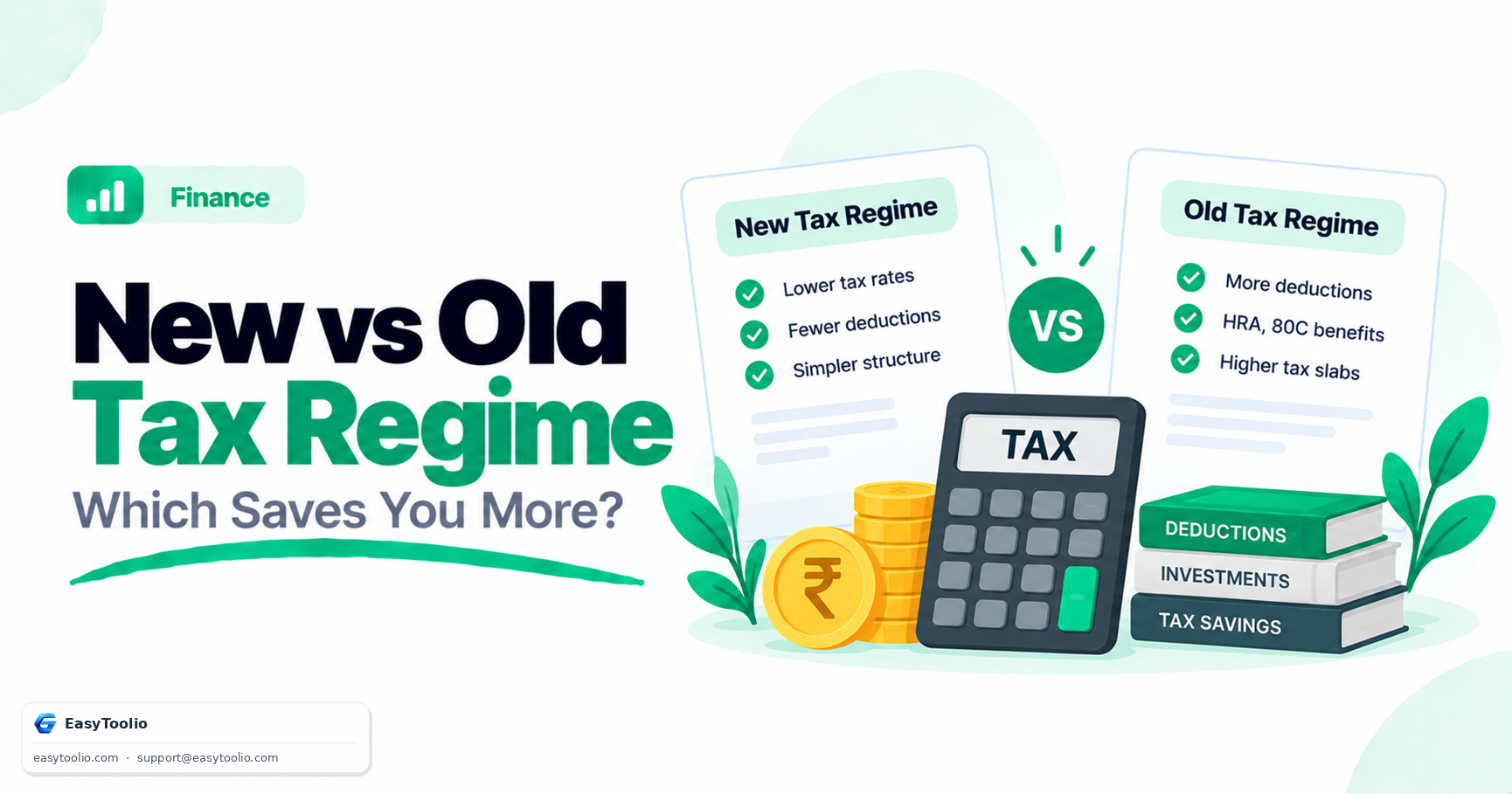
  • Tax Regime Comparison: Compare New (std deduction ₹75k) vs Old Regime.
  • Frequency Conversion: Convert hourly, daily, monthly, and annual wages.

How CTC to Take-Home Works (Live Example)

Calculated for ₹12 Lakh CTC under New Tax Regime (FY 2025-26):

Annual CTC ₹12,00,000
Employer EPF ₹72,000/yr
Gross Salary ₹11,28,000
Income Tax (TDS) ₹0 (87A Rebate)
Gross Salary: ₹12,00,000 − ₹72,000 (Employer EPF) = ₹11,28,000
Taxable Income: ₹11,28,000 − ₹75,000 (Std Deduction) = ₹10,53,000 (Rebate 87A Applies)
Net Deductions: Employee EPF (₹72,000) + PT (₹2,500) = ₹74,500/yr
Gross Annual: ₹11,28,000 Deductions: ₹74,500 Monthly Take-Home: ₹87,792 / mo
1

Enter Salary

Input your annual CTC or monthly gross pay.

2

Choose Tax Regime

Select New or Old Regime and configure EPF/PT rates.

3

View Take-Home

Get your net in-hand monthly deposit breakdown.

Formula Reference

Salary Formula

The salary formula converts a salary from one frequency (hourly, weekly, monthly, annual) to another. It helps professionals evaluate the real hourly worth of their compensation pa...

$$\text{Hourly Wage} = \frac{\text{Annual Salary}}{\text{Weeks per Year} \times \text{Hours per Week}}$$
View Full Formula, Step-by-Step Guide & Worked Examples
Career & CTC Strategist

AI Advisor Salary Assistant

Ask AI
Education

Complete Salary & CTC Breakdown Guide

01

CTC vs. Gross Salary vs. Net Take-Home Pay

Cost to Company (CTC) represents the total cost an employer incurs per year to employ you. Gross salary is your total compensation before tax and employee deductions, excluding non-cash benefits or employer EPF contributions. Net take-home pay is the exact liquid cash deposited into your bank account after TDS, Employee EPF (12%), and Professional Tax (PT).


02

Understanding Key Indian Salary Components

Indian CTC structures typically comprise Basic Salary (usually 40%–50% of CTC), House Rent Allowance (HRA), Special Allowance, Provident Fund (EPF), Gratuity, and Performance Bonuses. Structuring Basic Salary optimally helps maximize HRA tax exemptions while fulfilling statutory EPF mandates.

03

Impact of Tax Regimes on Take-Home Salary (FY 2025-26)

Under the New Tax Regime (default), taxpayers receive a standard deduction of ₹75,000 and zero tax rebate under Section 87A up to ₹12 Lakh net taxable income. The Old Tax Regime allows claiming exemptions like HRA, LTA, and Section 80C deductions up to ₹1.5 Lakh, making it advantageous for individuals with high rent or home loan deductions.

04

How EPF and Statutory Deductions Work

12% of your Basic Salary is deducted monthly for your Employee Provident Fund (EPF), matched equally by your employer (divided into EPF and EPS). Additionally, state-level Professional Tax (up to ₹2,500 annually) and income tax (TDS) are deducted before your final monthly paycheck payout.

05

Hourly, Monthly & Annual Pay Calculations

Converting annual salary to hourly wages requires factoring in standard working hours (e.g., 40 hours per week, 52 weeks = 2,080 hours per year) alongside paid time off (PTO) and holidays. This calculator quickly converts gross or net compensation across hourly, daily, weekly, monthly, and annual frequencies.

06

Evaluating Job Offers Beyond Base Pay

When comparing job offers, evaluate variable bonuses, stock options (ESOPs), health insurance coverage, remote work allowances, and retirement contributions alongside fixed take-home pay to assess the true value of your package.

Good to know

Questions, answered

Quick answers about how this tool works.

Common payroll schedules include Monthly (12 pay periods per year), Semi-Monthly (24 pay periods), Bi-Weekly (26 pay periods), Weekly (52 pay periods), and Daily or Hourly wage calculations. Salary conversions depend on the selected pay frequency.

No. HRA exemption is calculated based on the lowest of three values: actual HRA received, rent paid minus 10% of basic salary, or 50% of basic salary for metro cities (40% for non-metro cities).

Under standard EPF rules, employees contribute 12% of their basic salary towards the Employees’ Provident Fund. Employers generally contribute an equivalent amount, helping employees build long-term retirement savings.

A salary calculator helps estimate your earnings by calculating gross salary, net salary, deductions, taxes, allowances, and take-home pay. It can be used by employees, freelancers, and job seekers to understand compensation more clearly.

Gross salary is your total earnings before deductions such as taxes, provident fund contributions, insurance premiums, and other withholdings. Net salary, also known as take-home pay, is the amount you receive after all deductions.

Take-home salary is calculated by subtracting applicable deductions such as income tax, provident fund contributions, professional tax, insurance premiums, and other payroll deductions from your gross salary.

Yes. A salary calculator can estimate annual earnings based on your hourly rate, hours worked per week, and the number of working weeks per year. This helps compare hourly and salaried compensation packages.

CTC (Cost to Company) represents the total amount an employer spends on an employee annually. It may include basic salary, allowances, bonuses, employer provident fund contributions, insurance benefits, and other compensation components.

CTC often includes employer contributions, benefits, bonuses, and other components that are not paid directly as monthly income. Taxes and employee deductions further reduce the amount received as take-home salary.

Yes. Salary calculators can provide estimated after-tax income by considering applicable tax rates and payroll deductions. Actual tax liability may vary based on deductions, exemptions, and local tax regulations.

Popular Tools on EasyToolio

Swipe

What do you need to work out next?

Search 190+ free tools by name, or pick a category below. Every one runs instantly in your browser — no signup, nothing to install.

More Finance tools