GPA Calculator Guide: How the US 4.0 Scale and Indian Grading Systems Compare
Applying abroad with an Indian CGPA? Here is how the US 4.0 GPA scale works and how to convert your Indian marks so admissions officers understand them.
Tagged Collection
Browse all expert articles, guides, and tools related to Health Tips.
Applying abroad with an Indian CGPA? Here is how the US 4.0 GPA scale works and how to convert your Indian marks so admissions officers understand them.
LCM and HCF are two of the most tested concepts in school maths. Learn the prime factorization method, the fast division shortcut, and where these numbers actually show up in real life.
Fasting, post-meal, random, and HbA1c blood sugar tests each measure something different. Here is the complete normal-vs-prediabetic-vs-diabetic chart for all four.
Calories tell you how much to eat; macros tell you what to eat it as. Learn how to split any calorie target into protein, carb, and fat grams for fat loss.
Your Estimated Due Date (EDD) can be calculated several ways — from your last menstrual period (LMP), from the date of conception, or from an early ultrasound. Each method has a different precision. This guide explains Naegele's Rule, LMP calculation, and what Indian doctors typically use.
A BMI of 25 is "overweight" for a Western adult, but research shows South Asians carry significantly more body fat at the same BMI — and face higher metabolic risk. The WHO recognises lower BMI thresholds for Asians. Here is what the research says and why it matters.
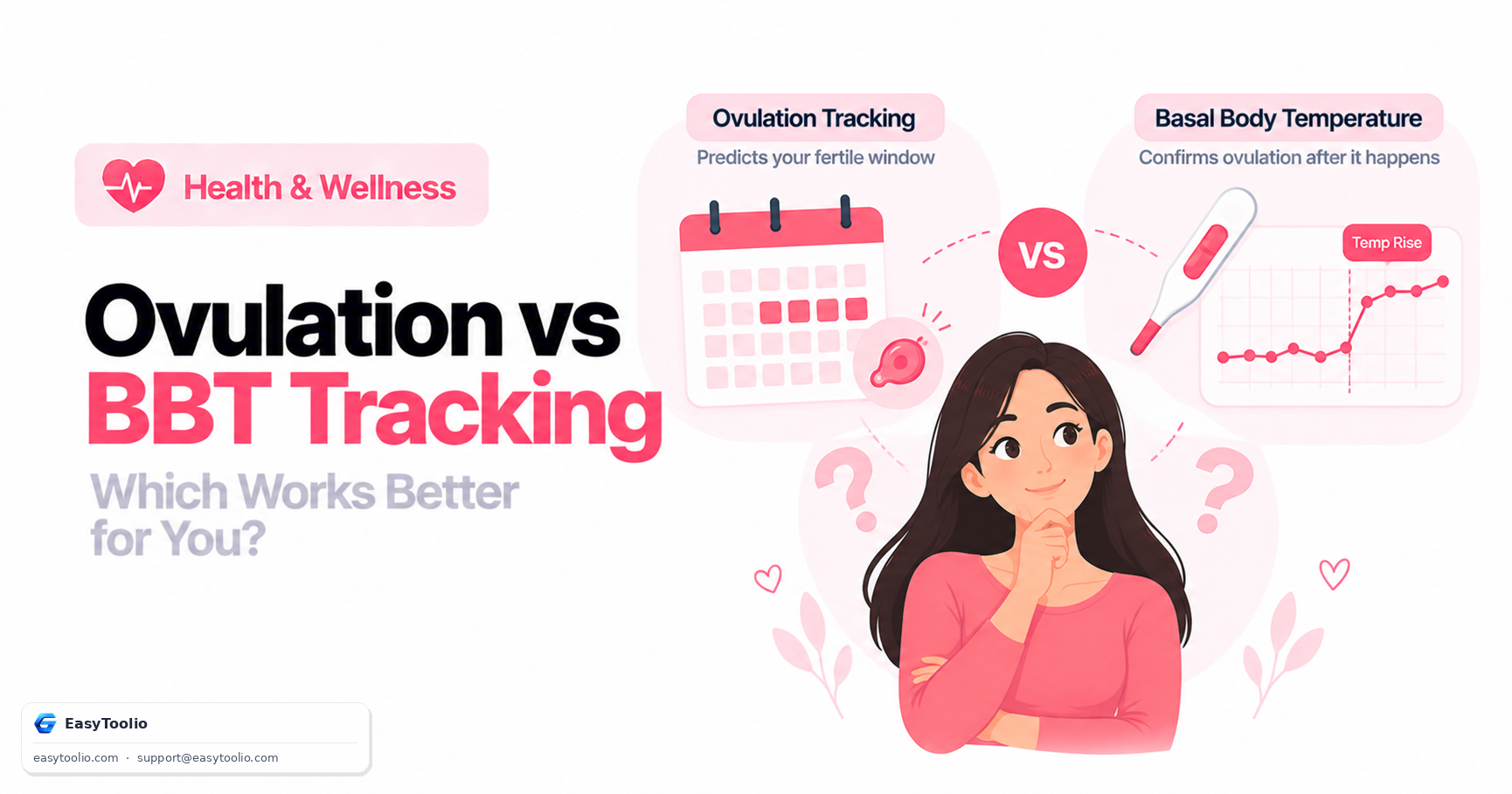
You can only conceive during a 6-day fertile window each cycle. Knowing when that window opens — and how to track it — is the most effective way to improve your chances of getting pregnant. This guide explains the biology and the math behind ovulation tracking.
The first 13 weeks of pregnancy are the most critical period of fetal development. From implantation to the first heartbeat to the NT scan — here is what happens week by week, what symptoms to expect, and which tests are scheduled in trimester one.
Sleep science is clear: most adults need 7–9 hours. But the exact amount depends on your age — and more important than hours is timing your wake-up to the end of a 90-minute sleep cycle. Here is what the research says and how to use a sleep calculator.
Your maximum heart rate determines your five training zones — from fat-burning to peak performance. The old 220-minus-age formula is outdated. Here is the more accurate Tanaka formula, a zone table for every age, and how to use each zone.
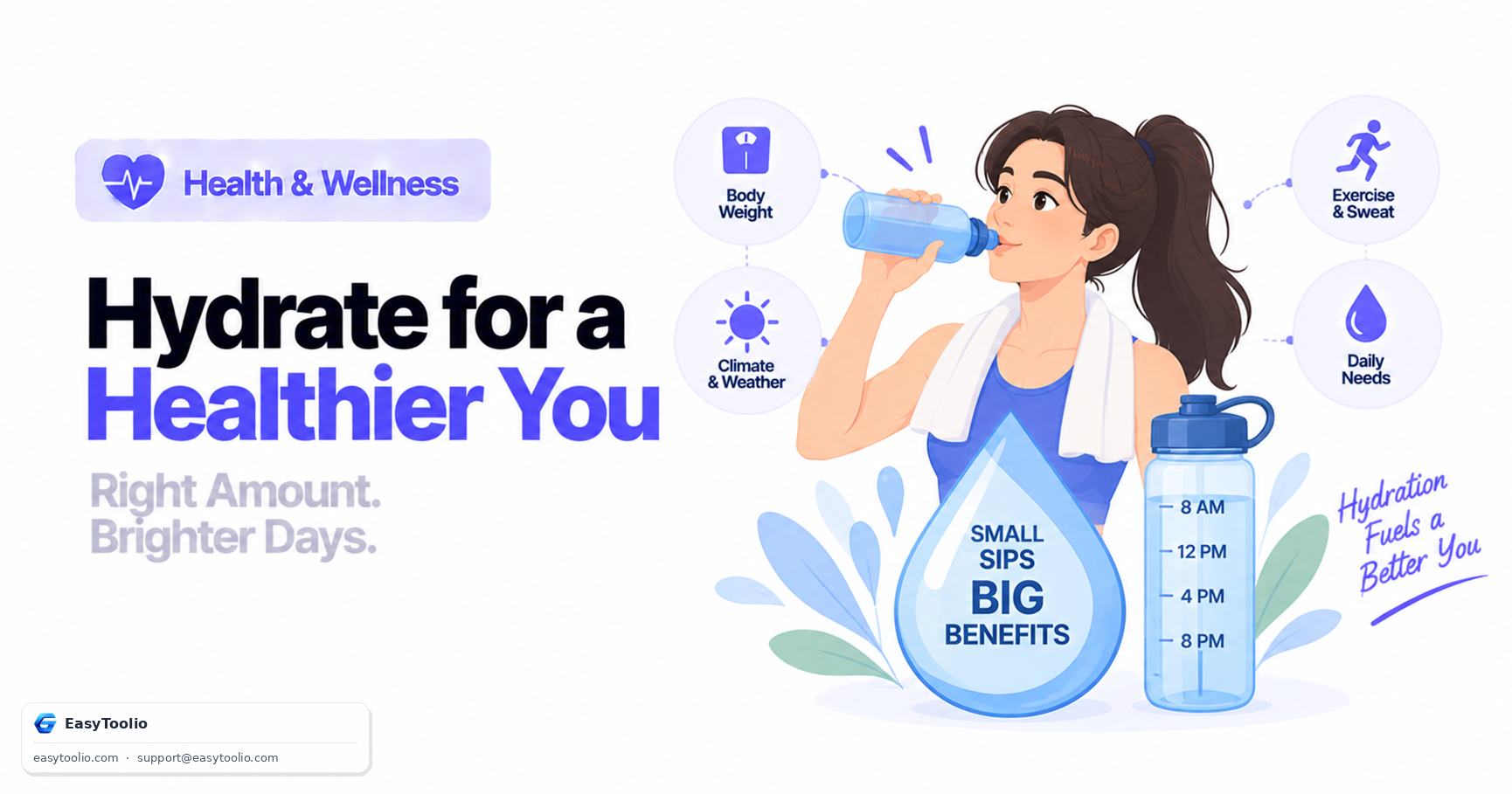
"Drink 8 glasses a day" is everywhere — but it has no scientific basis. Your actual water needs depend on your body weight, activity level, climate, and diet. Here is the formula and a table that tells you your exact target.
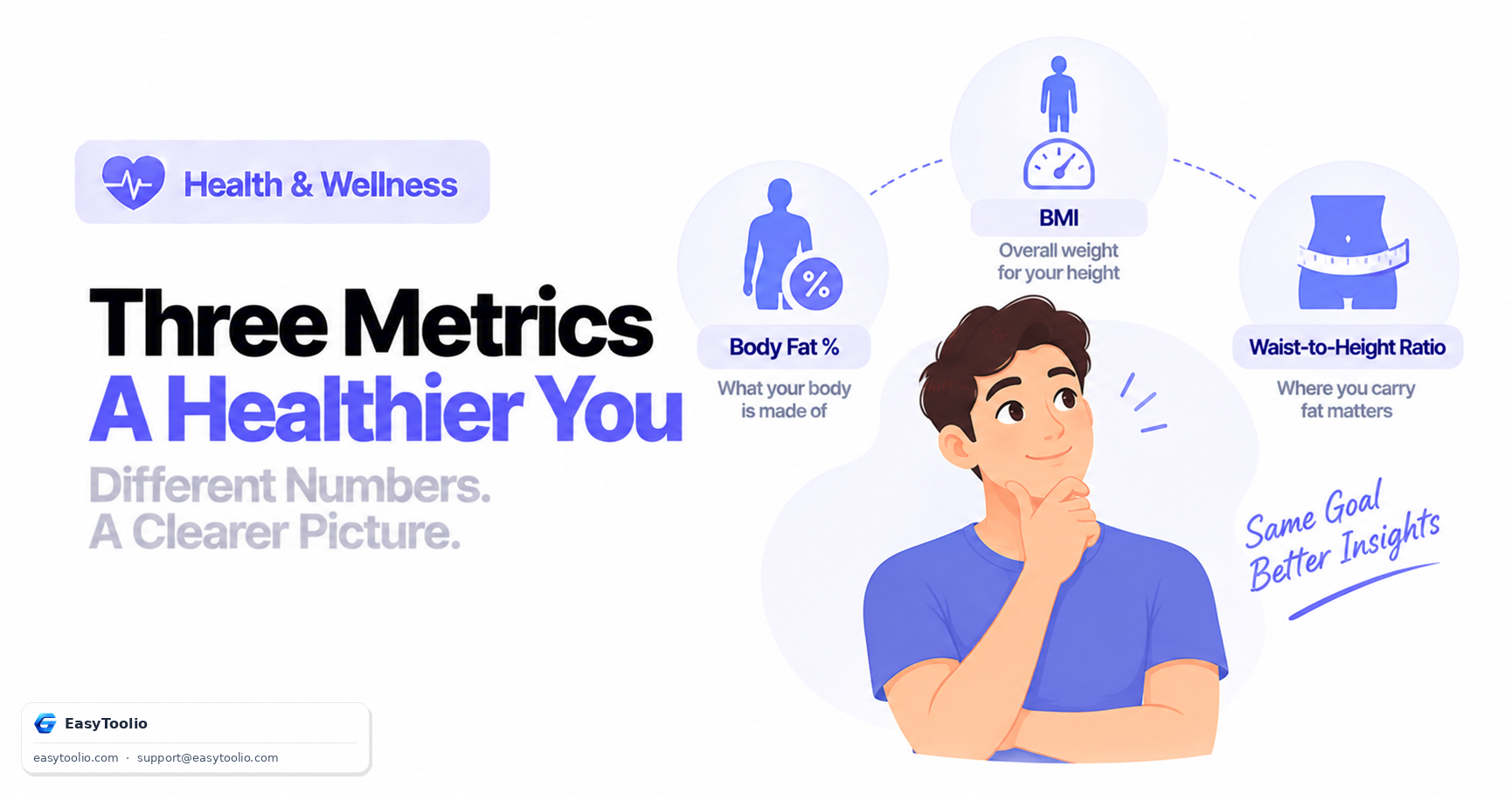
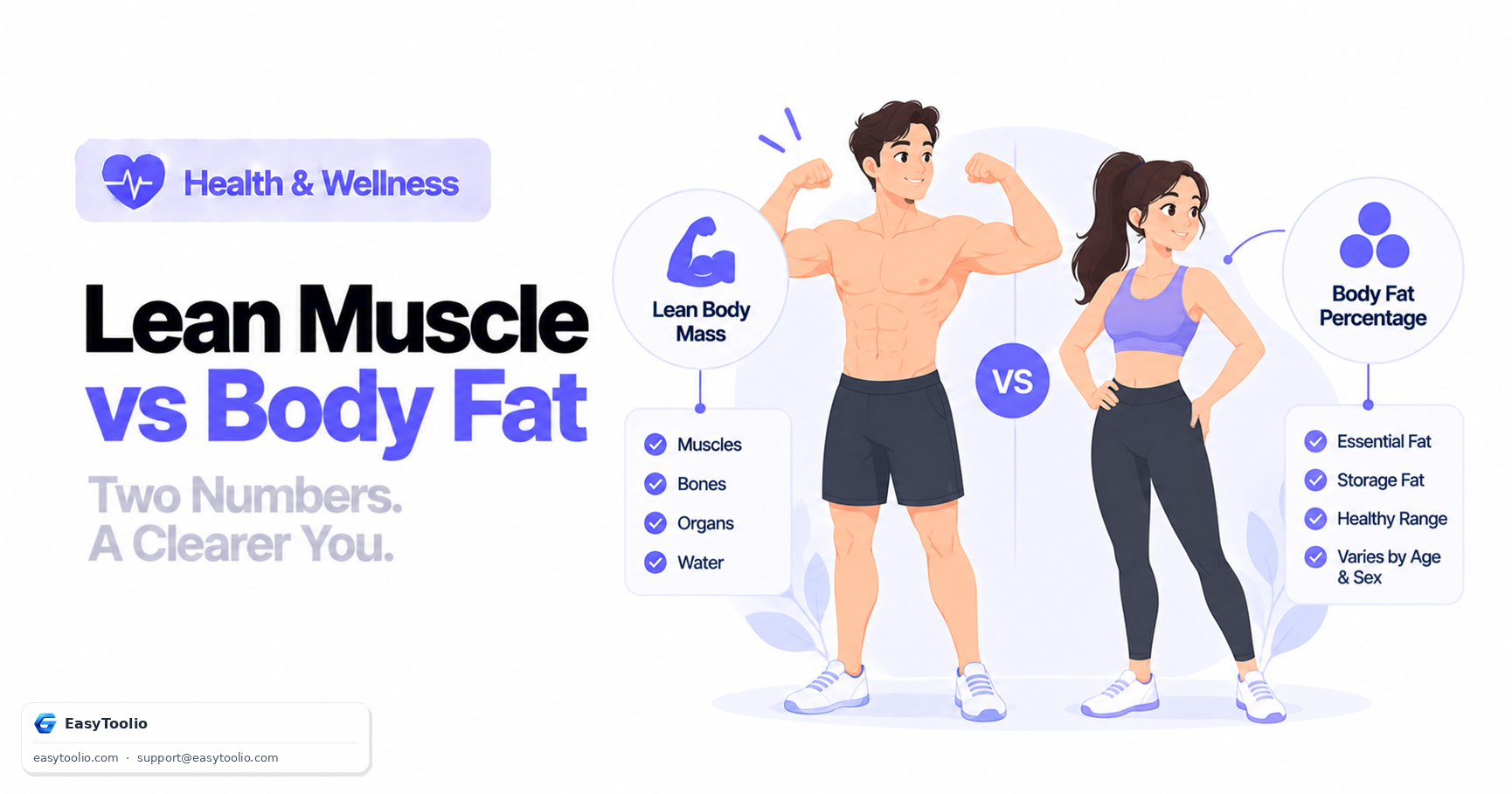
Body fat percentage is a more accurate measure of health than BMI. But how is it calculated, what is a healthy range for men and women, and which measurement method is most accessible? This guide covers everything.