Notification
Go to Home All Tools Compare Glossary Blog Contact

EMI Loan Comparison

Compare two loan options side-by-side. Evaluate EMI amounts, total interest payable, and total cost to choose the most cost-effective loan.

A Loan Plan A Loan A

%
Yrs

B Loan Plan B

%
Yrs
Plan A Monthly EMI
₹0/mo Total Interest: ₹0
Plan B Monthly EMI
₹0/mo Total Interest: ₹0
Verdict

Plan A saves ₹0

Plan A has a lower total interest payout.

Cumulative Payout over Time
Plan A Plan B

Side-by-Side Loan Matrix

Metric Plan A Plan B Difference
Loan Principal
Interest Rate (p.a.)
Loan Tenure
Monthly EMI
Total Interest Cost
Total Repayment Amount
Loan Structure

Understanding Reducing Balance Method

Most modern retail loans (Home, Personal, Auto) are calculated using the reducing balance method. With every monthly EMI payment, a portion goes toward reducing the principal amount.

This means subsequent interest compounding is calculated only on the remaining principal balance, resulting in smaller interest costs in later years.

Tenure vs Rate

Finding Your Sweet Spot

A longer tenure drops your monthly EMI burden, which is beneficial for cash flow. However, it drags out the repayment period, resulting in a much higher cumulative interest expense.

When comparing loans, try to keep the tenure as short as comfortably possible for your budget. Minimizing the interest rate is critical: even a 0.25% drop saves massive sums over 20 years.

Prepayment, Foreclosure & Total Cost of Credit

Two loans with identical EMIs can have very different total costs once prepayment is factored in. Most floating-rate retail loans in India (RBI mandate) carry zero foreclosure or part-prepayment penalty, meaning any surplus cash you direct toward the principal directly cuts down the outstanding balance and the interest calculated on it going forward.

When comparing Plan A and Plan B, check whether either lender charges a prepayment penalty (common on fixed-rate loans, typically 2-4% of the outstanding amount). A loan with a marginally higher rate but zero prepayment charges can end up cheaper than a lower-rate loan that locks you in, if you plan to pay off early.

Fixed vs Floating Interest Rates

This calculator assumes a fixed rate for the full tenure, which is accurate for personal and auto loans but often not for home loans, where lenders typically offer a floating rate linked to an external benchmark (Repo Rate / EBLR). A floating-rate EMI you enter today is only a snapshot; the real EMI will move as the benchmark rate is revised.

When comparing a fixed-rate offer against a floating-rate offer, don't just compare today's EMI. Factor in the fixed rate's premium (usually 1-2% higher) against the risk that floating rates could rise over a 15-20 year tenure, and check whether the floating loan resets your tenure or your EMI when rates change.

Look Beyond the EMI: Processing Fees & Hidden Costs

A lower EMI or lower headline rate doesn't always mean a cheaper loan. Processing fees (typically 0.5%-2% of the loan amount), mandatory insurance add-ons, legal/valuation charges, and administrative fees can add tens of thousands of rupees to the effective cost of borrowing, and these vary significantly between lenders.

When two loan plans show a similar total repayment in the matrix above, request the Annual Percentage Rate (APR) or a full cost breakup from each lender — this single number bakes in fees alongside interest and is the fairest way to compare Plan A against Plan B.

FAQ

Frequently Asked Questions

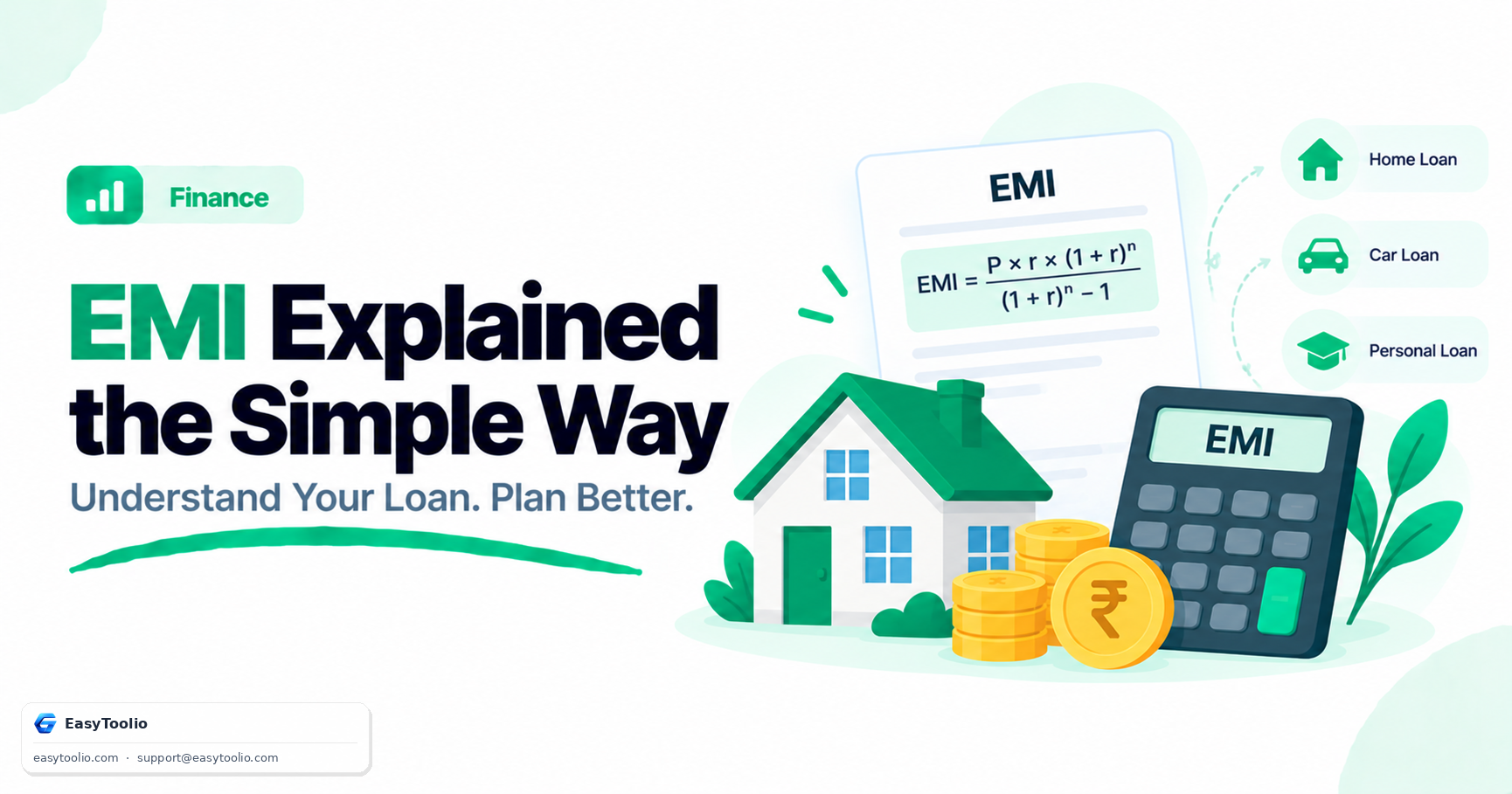
An EMI is a fixed payment made by a borrower to a lender at a specified date each calendar month. EMIs consist of both principal and interest components, designed to pay off the loan over a specified number of years.

Compare the loan principal amount, the interest rate per annum, processing fees, and the loan tenure. Even a minor difference of 0.5% in the interest rate can result in savings of thousands of rupees over a 15 to 20-year period.

Usually yes, but you must check processing fees, prepayment penalties, and other hidden charges. Sometimes a bank offering a slightly higher rate might have zero processing fees or better prepayment terms, making it cheaper overall.

A longer loan tenure reduces your monthly EMI, making it easier on your monthly budget, but increases the total interest paid significantly. Conversely, a shorter tenure increases the monthly EMI but minimizes the total interest cost.

Under a flat rate, interest is calculated on the initial principal throughout the tenure. Under a reducing rate (reducing balance), interest is calculated only on the remaining outstanding principal. Reducing rates are far more cost-effective for borrowers.

Yes, making prepayments (part-payments) directly reduces the outstanding principal amount. You can choose to either lower your monthly EMI or reduce the remaining tenure. Most floating-rate home loans do not charge prepayment penalties.

Processing fees are one-time fees charged at the time of loan disbursal. If one bank offers an 8.5% rate with a 1% processing fee, and another offers 8.6% with zero processing fee, you should calculate the total cash flow to find the cheaper deal.

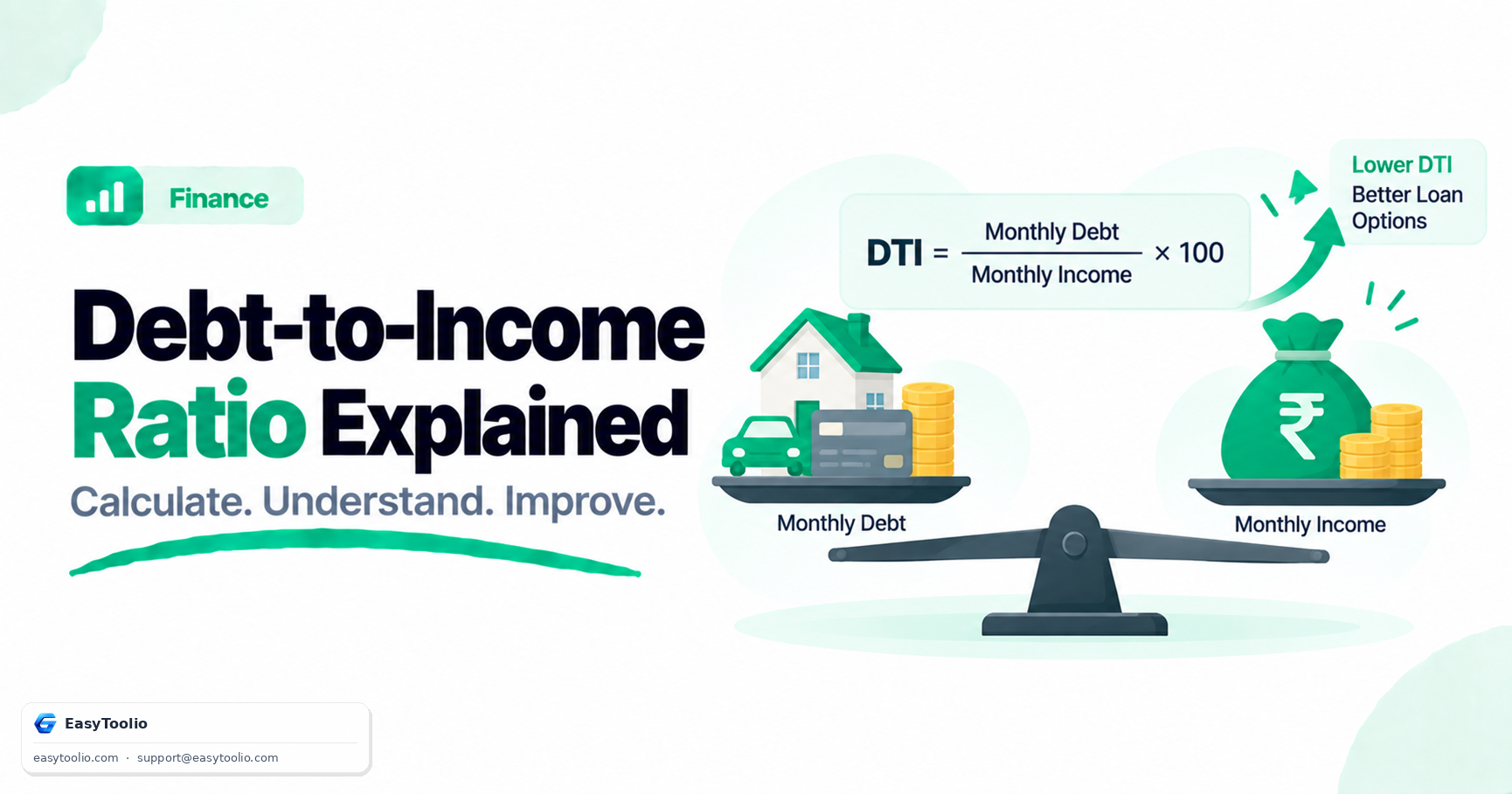
Banks primarily evaluate your net monthly income, current financial obligations (existing EMIs), credit score (typically CIBIL), employment stability, and age. The monthly debt-to-income ratio should ideally remain under 40% to 50%.

What do you need to work out next?

Search 190+ free tools by name, or pick a category below. Every one runs instantly in your browser — no signup, nothing to install.

More Finance tools