Notification
Go to Home All Tools Compare Glossary Blog Contact

Credit Card Payoff Calculator

Calculate your credit card payoff timeline, compare fixed payments vs fixed payoff dates, and see the true cost of minimum payments.

Card Parameters

₹
%
₹
+₹

Multiple Cards & Debts Optimizer

Multi-Card Tracker

Itemize your credit cards below to calculate your consolidated debt balance, weighted average APR %, and combined minimum monthly requirement.

Card Name Balance APR (%) Min Pay Action
₹
₹
₹
₹
₹
₹
Combined Debt Totals Total: ₹100,000 | Wtd APR: 35.0%

Carrying Multiple Credit Cards or Loans?

Compare Debt Snowball vs Avalanche optimization for multiple cards.

Multi-Debt Solver →
Payoff Duration

0 Months

Estimated debt-free date: March 2028

Total Payment ₹0
Total Interest ₹0
Minimum Payment Trap Warning

Paying only the minimum requirement (~₹5,000/mo) takes 182 months (15.1 yrs) and incurs ₹1,42,500 in total interest. Your custom plan saves you ₹94,700!

Balance Decline Comparison

Your Plan vs Minimum Trap

Amortization Schedule

Month-by-Month
Month Payment Interest Balance
Credit Elimination Guide

Credit Card Payoff Calculator – Debt Free Guide

A Credit Card Payoff Calculator simulates fixed monthly payments, interest savings, and exact debt-free timelines to help you break free from high-APR credit card interest traps.

What is a Credit Card Payoff Calculator?

An interactive tool that calculates exact payoff months and total interest accrued based on current card balance, annual interest rate (APR %), and monthly payment amount.

Key Benefits of Using a Payoff Calculator

  • Expose Minimum Payment Traps: See how paying only minimums extends debt for 15+ years.
  • Interest Savings: Determine how small extra monthly payments save thousands in APR interest.
  • Boost Credit Score: Lowering Credit Utilization Ratio (CUR) improves CIBIL & FICO scores.

How Card Interest Payoff Works (Live Example)

Calculated for a credit card balance of $5,000 at 18.00% APR with a fixed $200 monthly payment:

Card Balance $5,000
Interest Rate 18.00% APR
Fixed Monthly Payment $200 / mo
Payoff Time 32 Months
• Payoff Timeline: Fully debt-free in 32 months (2.6 years)
• Total Interest Accrued: $1,315.00
• Total Repayment Amount: $5,000 + $1,315 = $6,315.00
• Vs Minimum Payment Trap: Minimum payment takes 94 months and costs $3,120 interest (saves $1,805!).
Card Balance: $5,000 Total Interest Paid: $1,315 Time to Debt Free: 32 Months
1

Enter Balance & APR

Input total credit card debt balance and card APR %.

2

Set Monthly Payment

Enter your planned fixed monthly payment budget.

3

View Payoff Plan

Review exact debt-free calendar date, interest savings, and monthly ledger.

Strategic Financial Guide

Mastering Multiple Credit Cards & Payoff Strategies

Learn how to strategically manage multiple credit cards, avoid interest traps, lower your Credit Utilization Ratio (CUR), and choose between Avalanche and Snowball payoff methods.

Why Carry Multiple Credit Cards?

Benefits of strategic card diversification

  • Perk & Reward Optimization: Segregate spend to maximize airline miles, cash-back bonuses, 0% intro balance transfer terms, or business vs personal expenses.
  • Boost Credit Score via CUR: Credit bureaus measure your Credit Utilization Ratio (Total Debt ÷ Total Credit Limits). Having multiple cards increases overall credit limits, keeping CUR below 30% to improve credit health.
  • Fraud Risk Isolation & Backup: Spreading transaction volume isolates potential merchant security breaches and provides an immediate backup if a primary card is lost or locked.

Pitfalls & Drawbacks to Avoid

Managing revolving debt safely

  • High Revolving APR Burden: Unsecured credit cards carry steep interest rates (24%–42%). Carrying balances month-to-month triggers compounding interest that inflates total debt.
  • Multiple Due Date Hassles: Tracking multiple billing cycles increases the risk of missed deadlines, triggering late penalties and credit score hits.
  • Management Pro-Tips: Align all statement due dates to the same day of the month with card issuers, activate autopay for minimums, and eliminate redundant cards with annual fees.

Debt Avalanche vs. Debt Snowball Method

Debt Avalanche (Math First) Saves Most Money

Pay minimum dues on all cards, then direct all remaining extra cash flow toward the card with the highest APR.

Best for: Minimizing total interest cost and clearing debt in the shortest time.
Debt Snowball (Motivation First) Fast Wins

Pay minimum dues on all cards, then direct all extra funds toward the card with the smallest balance, regardless of APR.

Best for: Gaining quick psychological momentum by completely eliminating cards early.

Pro Hacks for Eliminating High Credit Card APRs

1. 0% Balance Transfer Card

Transfer high APR card balances to a 0% introductory APR card to freeze interest accumulation for 12 to 21 months.

2. Bi-Weekly Payment Hack

Pay half your monthly payment every two weeks. This reduces your Average Daily Balance (ADB) and yields 13 monthly payments per year.

3. Personal Debt Consolidation Loan

Replace 30%+ credit card APRs with a fixed low-APR personal loan (10%-14%) to lock in a fixed, predictable debt payoff date.

Education

How Credit Card Payoff Is Calculated

01

Monthly Amortization Math

Each month, interest is charged on your outstanding balance at your APR divided by 12, and whatever payment you make first covers that interest before the remainder reduces principal. This standard amortization approach repeats every month until the balance reaches zero.
02

Why the Minimum Payment Trap Is Dangerous

Card issuers typically set minimum payments around 5% of the balance, which shrinks every month as the balance falls, so a shrinking minimum can stretch payoff over 10-25 years and multiply total interest paid. Adding any fixed extra amount on top of the minimum keeps the payment from shrinking and accelerates payoff dramatically.

03

Worked Payoff Example

On a ₹1,00,000 balance at 36% APR (3% monthly), a fixed ₹5,000 payment clears the debt in about 26 months and costs roughly ₹28,000 in total interest. Paying only a shrinking 5% minimum on the same balance can stretch payoff past 15 years and cost well over ₹1,00,000 in interest.

04

When to Use Related Debt Tools

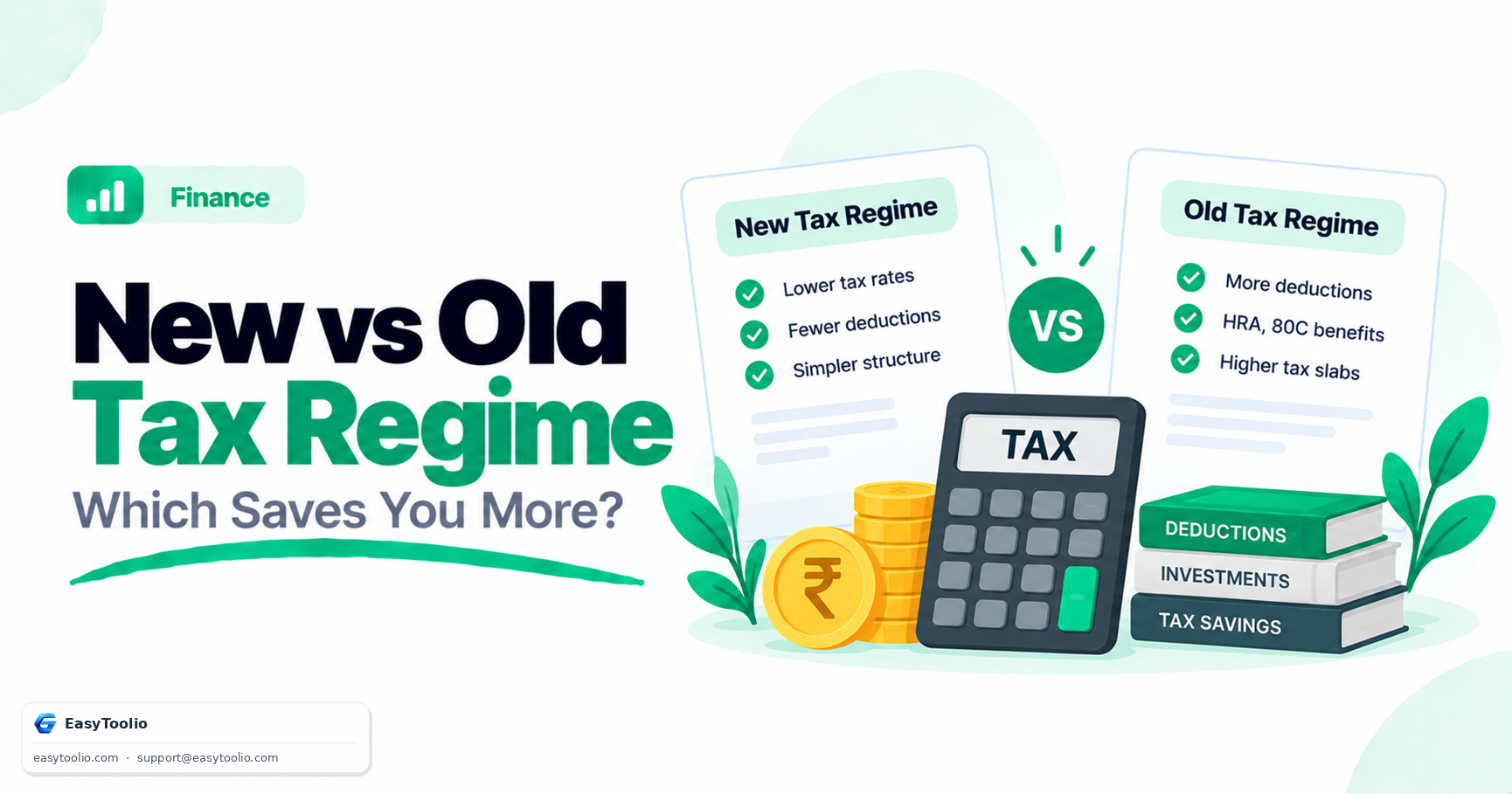
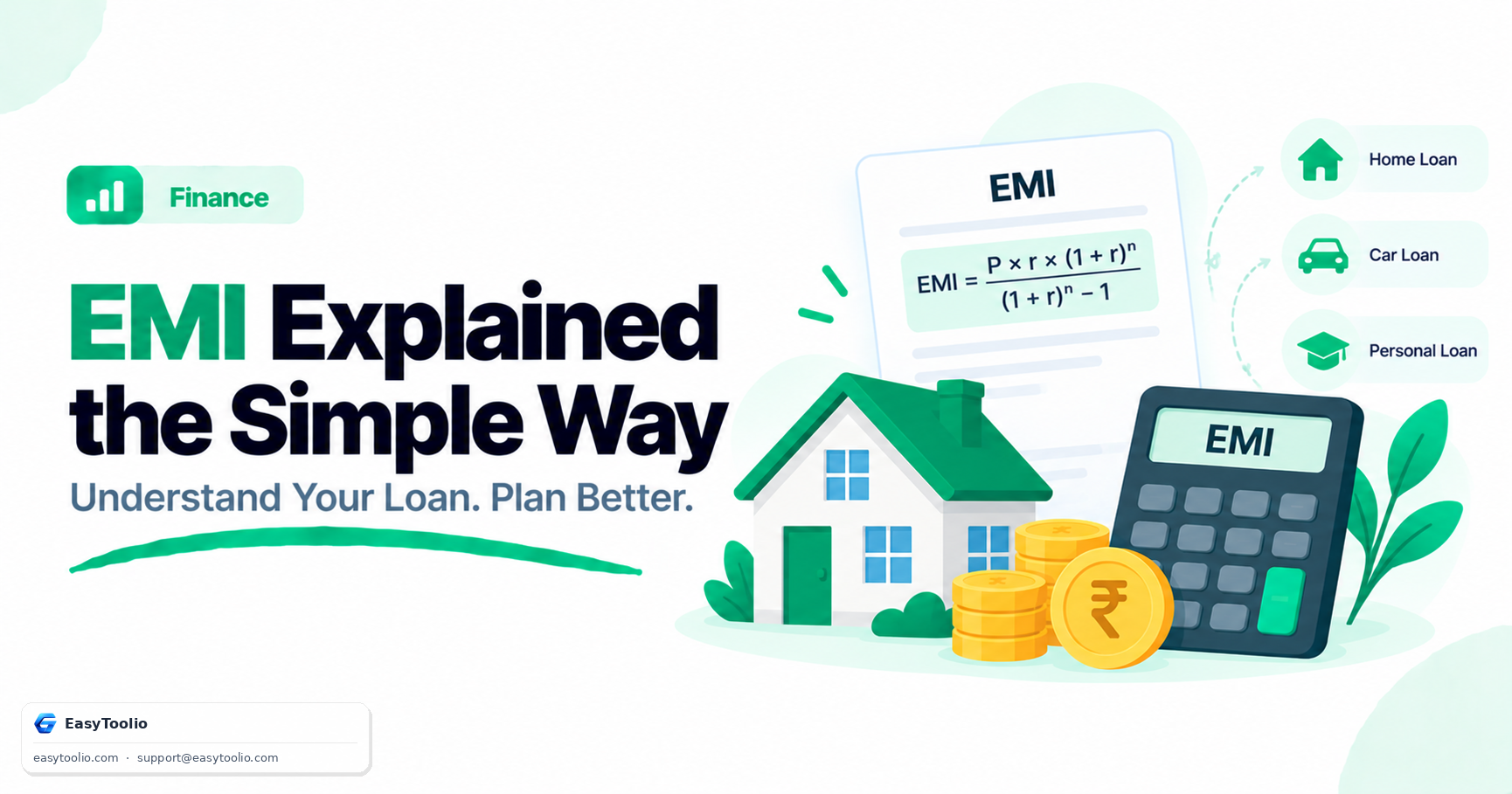
If you are managing more than one card or loan at once, use the Debt Payoff Calculator to compare Debt Snowball vs Debt Avalanche strategies across your full debt list, or the EMI Calculator to plan a fixed-rate consolidation loan.

Good to know

Questions, answered

Quick answers about how this tool works.

The calculator uses standard monthly compounding amortization math based on your current balance and APR. It provides two modes: Fixed Payment Mode (calculates months to debt freedom) and Fixed Timeline Mode (calculates required monthly deposit to hit your target date).

Credit card companies typically set minimum monthly payments at around 5% of the balance (or monthly interest plus 1% principal). Because the payment drops as balance declines, paying only the minimum stretches debt over 10–25 years and incurs massive interest charges.

Even an extra ₹1,000–₹3,000 per month goes 100% toward principal reduction, bypassing the high APR interest charge. This can cut payoff time by 50% or more and save thousands in total interest.

For a single card balance, this tool is ideal. If you carry balances across multiple credit cards or loans, use our Debt Payoff Calculator to compare Debt Snowball vs Debt Avalanche strategy optimization.

AI Credit Coach

AI Credit Card Strategy Advisor

Ask AI

What do you need to work out next?

Search 244+ free tools by name, or pick a category below. Every one runs instantly in your browser — no signup, nothing to install.

More Finance tools