Notification
Go to Home All Tools Compare Glossary Blog Contact

Debt Payoff Calculator

Compare debt snowball and debt avalanche strategies to see which one clears your credit cards and loans faster.

Strategy & Accelerator

Snowball Strategy: Pays off smallest debt balances first for quick psychological momentum.

"Yes" automatically redirects cleared loan payments to remaining debts, accelerating freedom by up to 40%.

Extra Payment Accelerators

+₹
₹
₹
in Mo:

Active Debts List

Input balance, interest rate, and minimum payment per debt

Total Debt: ₹0
Quick Add:
Projected Debt-Free Target

--

Estimated time to total financial freedom

Total Principal ₹0
Total Interest Paid ₹0
Strategy Comparison Avalanche Saves ₹0
Snowball ₹0 int 0 mos
Avalanche ₹0 int 0 mos

Debt Elimination Progression

Balance Decline

Debt Payoff Elimination Sequence

Debt Consolidation Guide

Debt Payoff Calculator – Snowball vs. Avalanche Guide

A Debt Payoff Calculator combines multiple credit cards, personal loans, and auto debts to optimize your monthly payoff budget using the Debt Snowball or Debt Avalanche elimination strategy.

What is a Debt Payoff Calculator?

A multi-debt solver that sequences your loan balances, interest rates, and minimum payments to create an accelerated payoff schedule and pinpoint your exact debt-free date.

Snowball vs. Avalanche Strategies

  • Debt Snowball: Pays smallest balances first to build psychological momentum and quick wins.
  • Debt Avalanche: Pays highest interest rates (APR) first to minimize total interest paid.
  • Accelerator Budget: Adding even $50/mo extra exponentially cuts months off debt timelines.

Multi-Debt Payoff Strategy Comparison (Live Example)

Calculated for $15,000 total debt across 3 accounts: Credit Card ($3k @ 22%), Personal Loan ($5k @ 12%), Auto Loan ($7k @ 6%):

Total Debt $15,000
Monthly Budget $500 / mo
Snowball Payoff 36 Months
Avalanche Winner Saves $1,420 Int
• Debt Avalanche Method: Clears highest APR (22% Card) first → Total Interest $2,380
• Debt Snowball Method: Clears smallest debt ($3,000 Card) first → Total Interest $3,800
• Mathematical Verdict: Avalanche method saves $1,420 in interest costs over the payoff term!
Total Principal: $15,000 Avalanche Interest: $2,380 Debt-Free Timeline: 34 Months
1

List Debts

Input balance, interest rate (APR %), and minimum payment for each loan.

2

Choose Method

Select Snowball (Quick Wins) or Avalanche (Lowest Interest).

3

View Payoff Timeline

Review sequential payoff timeline and interest savings comparisons.

Strategic Financial Guide

Mastering Early Debt Elimination & Payoff Strategies

Learn how to strategically eliminate debt early, compare Snowball vs. Avalanche payoff methods, evaluate debt consolidation options, and navigate severe debt relief alternatives.

Why Pay Off Debts Early?

Financial freedom & interest savings

  • Lower Principal & Accelerated Target Date: Making one-time or recurring extra payments directly lowers the principal owed, shortening loan tenure and cutting lifetime interest costs.
  • Stress Reduction & Mental Peace: Excessive debt creates severe physical and psychological strain. Clearing high-APR revolving balances restores cash flow and financial independence.
  • Opportunity Cost & Buffer Considerations: Before aggressive debt prepayments, build an emergency buffer fund and evaluate whether investing in high-return assets yields greater long-term value than prepaying low-interest loans.

Core Debt Payoff Strategies

Choosing the right repayment method

  • Debt Avalanche (Math First): Prioritizes debts with the highest APR first while paying minimums on others. Saves the maximum money in total interest costs.
  • Debt Snowball (Motivation First): Prioritizes smallest balance amounts first regardless of interest rate. Delivers quick emotional victories to maintain momentum.
  • Debt Consolidation Loans: Replaces multiple high-APR credit cards with a single lower-interest personal loan or 0% balance transfer card to streamline monthly payments.

Alternative Debt Relief Options (When Struggling)

Debt Management Plan Counseling

Credit counseling agencies negotiate lower interest rates and single monthly payments with creditors without incurring severe settlement penalties.

Best for: Maintaining disciplined long-term repayment.
Debt Settlement 45%-50% Reduced

Negotiates lump-sum payouts for less than the total balance. Forgiven debt amounts are reported as taxable IRS income and lower credit scores.

Caution: Carries high settlement fee percentages.
Legal Bankruptcy Chapter 7 / 13

Chapter 7 liquidates non-exempt assets to discharge debt in 6–12 months. Chapter 13 creates a 3–5 year court-managed repayment reorganization plan.

Warning: Remains on credit reports for up to 10 years.

Action Steps to Accelerate Financial Freedom

1. Create a Strict Budget

Audit monthly expenses, eliminate unused subscriptions, and direct freed-up cash flow exclusively toward targeted debt.

2. Automate Minimum Payments

Set up automated minimum dues for all loan accounts to protect your credit score from accidental late fee penalties.

3. Channel Cash Windfalls

Apply annual work bonuses, tax refunds, or side-hustle revenue as lump-sum principal prepayments to cut years off loan terms.

Education

How Snowball vs Avalanche Payoff Works

01

Snowball vs Avalanche Ordering Logic

Debt Snowball sorts every debt by smallest balance first and directs all extra payments there while paying minimums elsewhere, while Debt Avalanche sorts by highest interest rate first regardless of balance size. Both methods roll the freed-up minimum payment from a cleared debt into the next target, creating a cascading acceleration effect.
02

Why Avalanche Saves More but Snowball Motivates

Avalanche is mathematically optimal because it eliminates the most expensive interest first, minimizing total interest paid across all debts. Snowball often costs slightly more in interest but clears individual accounts faster, which keeps many people motivated enough to stick with the plan through to debt freedom.

03

Worked Rollover Example

Suppose you have a ₹60,000 credit card at 36% APR and a ₹2,50,000 auto loan at 9.5% APR, plus ₹5,000 extra to pay monthly. Avalanche directs the ₹5,000 extra to the credit card first; once it is paid off, its ₹3,000 minimum payment rolls over, so roughly ₹8,000 extra now attacks the auto loan each month.

04

When to Use Related Tools

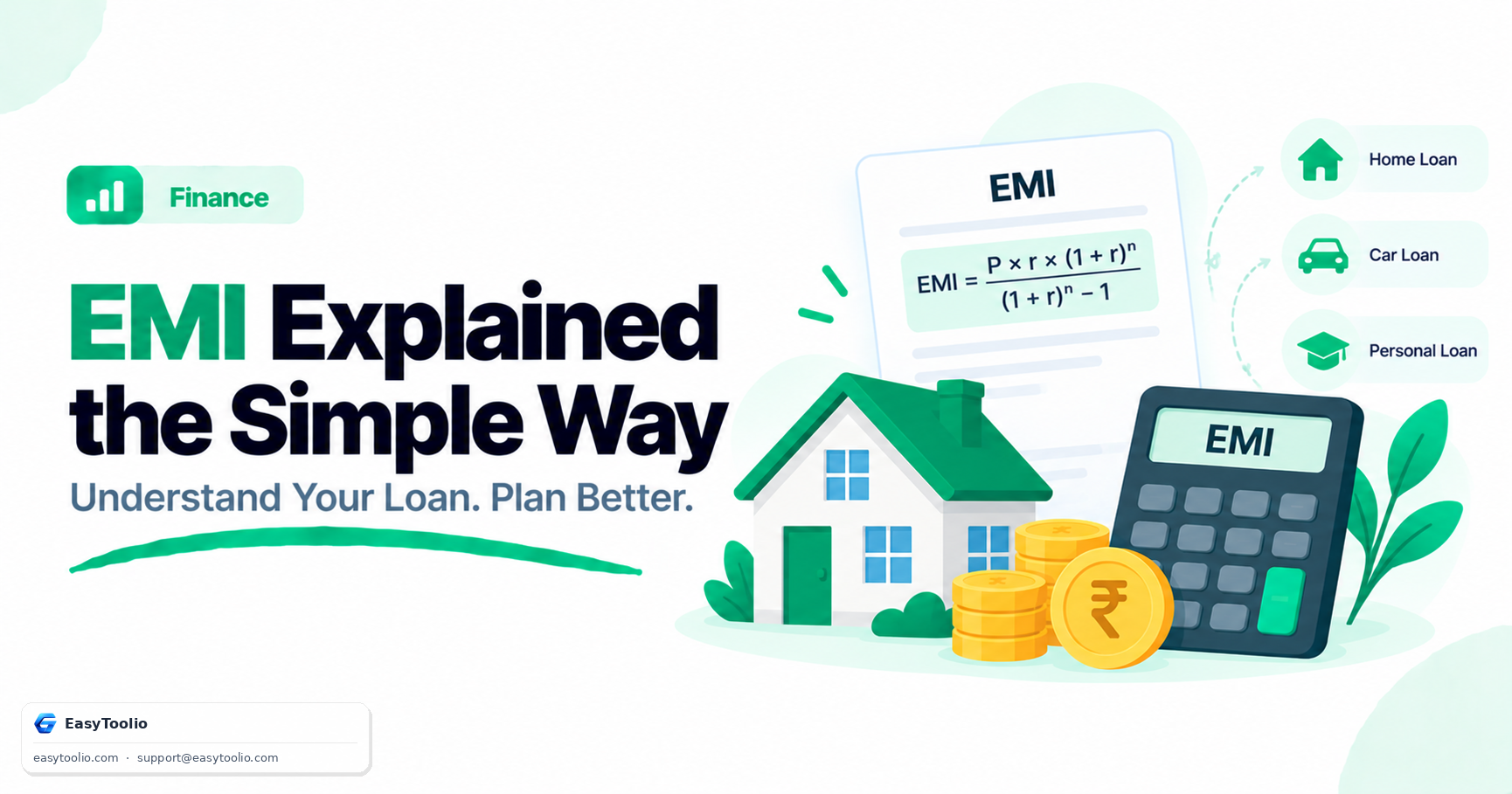
If you are focused on a single card rather than multiple debts, the Credit Card Payoff Calculator gives a more detailed month-by-month view including the minimum payment trap comparison. For a single fixed-rate loan, the EMI Calculator shows the standard amortization schedule.

Good to know

Questions, answered

Quick answers about how this tool works.

Debt Snowball prioritizes paying off debts with the smallest balances first, regardless of interest rates, giving you quick psychological victories. Debt Avalanche prioritizes paying off debts with the highest interest rates first, saving you the maximum amount of money in interest overall.

When a debt is fully paid off, its minimum monthly payment is not wasted; it rolls over into the extra payment pool for the next target debt. This creates a snowball effect that rapidly accelerates debt elimination over time.

Even modest extra payments (e.g. ₹2,000–₹5,000 extra per month) can shave years off your payoff timeline and cut thousands of rupees in total interest because 100% of extra payments reduce principal directly.

If your minimum payment is less than monthly accrued interest, negative amortization occurs and your debt balance grows. You must increase your payment at least above monthly interest to start reducing balance.

AI Debt Coach

AI Debt Elimination Coach

Ask AI

What do you need to work out next?

Search 244+ free tools by name, or pick a category below. Every one runs instantly in your browser — no signup, nothing to install.

More Finance tools