Start Saving Early
The earlier you begin saving for retirement, the more time your investments have to grow through compounding. Even small monthly contributions can accumulate into a substantial retirement fund over several decades.

Calculate the retirement corpus you need and project how your savings will grow to secure your post-retirement income.
| Age | Starting Balance | Annual Savings | Growth Interest | Ending Balance |
|---|
Key metrics for your post-retirement phase
A Retirement Calculator determines the total target corpus required to fund your monthly living expenses after retirement, accounting for inflation, life expectancy, and investment yields.
An advanced financial planning tool that projects inflation-adjusted post-retirement expenses and computes the exact monthly SIP investment required to build your retirement goal.
Calculated for a 30-year-old planning to retire at 60 with current expenses of ₹50,000/mo (6% inflation, 12% equity growth):
Input current age, target retirement age, and monthly household expenses.
Set expected inflation % and pre/post retirement investment returns.
Review total target retirement corpus, monthly SIP needed, and annual accumulation schedule.
The Net Worth Formula calculates an individual or household's net wealth standing by taking the market value of all asset holdings and subtracting total debt obligations. A positiv...
Premium Financial Calculator Report
Report: Retirement Planning Analysis
| Age | Starting Value | Annual Savings | Growth Interest | Year-End Value |
|---|
The earlier you begin saving for retirement, the more time your investments have to grow through compounding. Even small monthly contributions can accumulate into a substantial retirement fund over several decades.
Inflation gradually reduces purchasing power over time. Retirement planning should consider future living costs to ensure your savings can support the lifestyle you expect decades from now.
Retirement expenses often include housing, healthcare, travel, insurance, and daily living costs. Creating realistic expense estimates helps determine how much retirement income you may need.
Retirement goals and financial situations change over time. Regularly reviewing contributions, investment performance, and retirement targets helps keep your long-term plan on track.
Quick answers about how this tool works.
Key factors include your current savings balance, monthly contributions, investment returns, inflation, retirement age, and the number of years your money remains invested. Starting early can significantly increase long-term growth through compounding.
Inflation reduces the purchasing power of money over time. A retirement fund that seems sufficient today may not cover the same expenses in the future, making inflation-adjusted planning essential for long-term financial security.
Starting early gives your investments more time to compound. Even small contributions made consistently over many years can grow into a substantial retirement fund, often requiring less total investment than starting later.
Possibly. You may adjust your retirement age, reduce expected expenses, increase savings contributions, work part-time, or review investment strategies. A retirement calculator can help evaluate different scenarios and their impact on your retirement readiness.
Plain-language explainers that sit next to this tool.
How much money do you need to retire? The most cited rule — "save 25× your annual expenses" — is a starting point, not an answer. Your number depends on when you plan to retire, your expected lifestyle, investment returns, inflation, and whether you have pension income. This guide walks through the math.
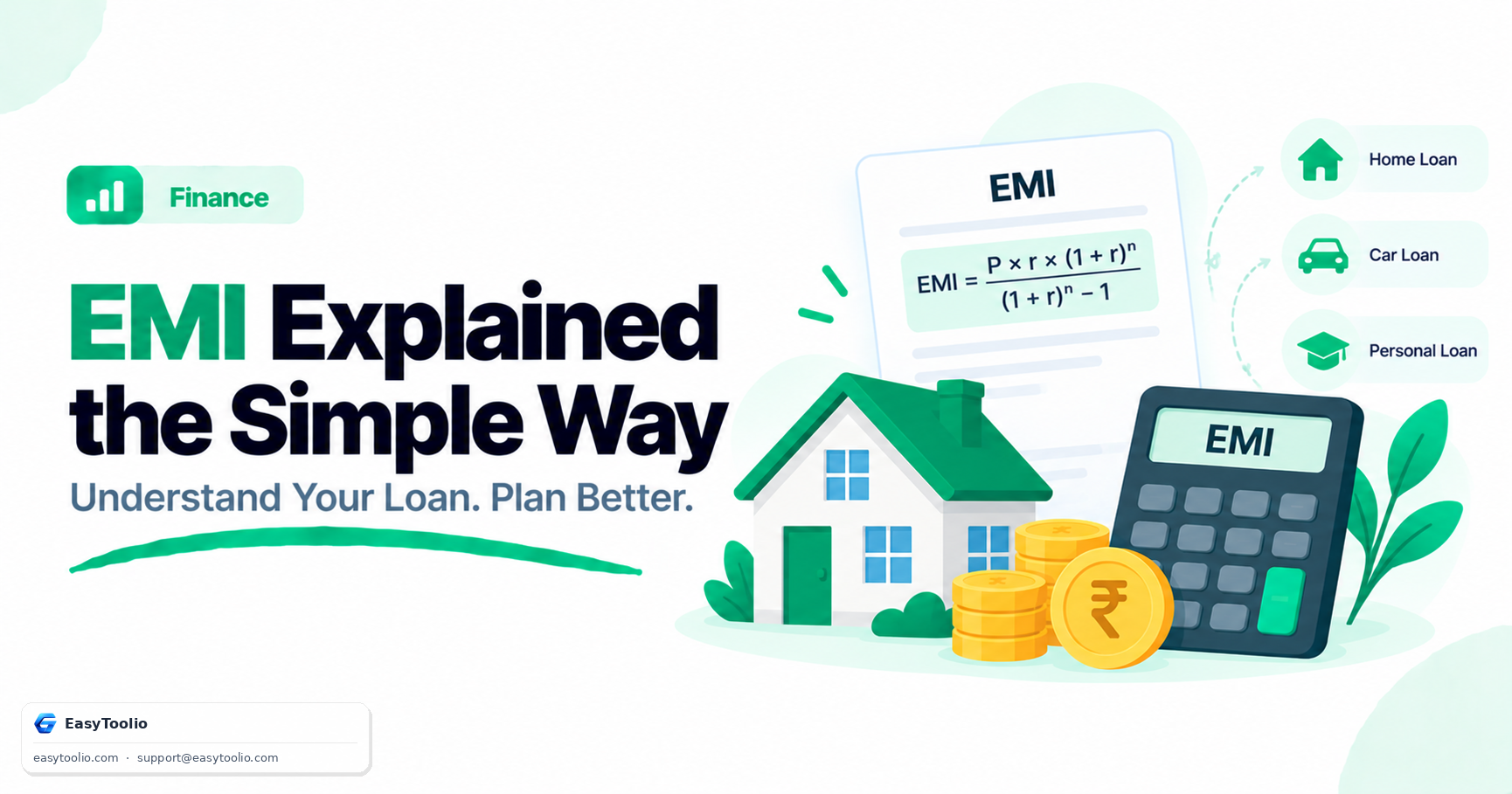
Most Indians accept an EMI figure from their bank without questioning it. This guide explains exactly how Indian banks calculate EMI — the reducing balance method, how RBI repo rate changes flow through to your loan, and what you can do to pay off your home loan years early.
Understand the math behind monthly mortgage payments. Learn how to calculate Principal and Interest (P&I) manually, evaluate the costs of PMI, estimate escrow expenses, and discover strategies to save over $200,000 in lifetime interest.
Compound interest is the single most powerful force in personal finance. Understand the formula, see how small differences in rate and time create massive differences in outcome, and learn how to use it to your advantage.
Add Retirement Calculator to a blog, site, or docs page with a free responsive iframe. No signup.
Search 190+ free tools by name, or pick a category below. Every one runs instantly in your browser — no signup, nothing to install.
Tap a star to rate us instantly.