
Gratuity Calculation Formula: Eligibility, Rules, and How Much You'll Actually Get
Gratuity is a lump-sum thank-you from your employer for long service — but only if you clear the 5-year mark. Here is the exact formula and a worked payout example.

Tagged Collection
Browse all expert articles, guides, and tools related to Wealth Building.
Gratuity is a lump-sum thank-you from your employer for long service — but only if you clear the 5-year mark. Here is the exact formula and a worked payout example.
A ₹12 LPA offer rarely means ₹1 lakh a month in your account. Here is exactly where the difference between CTC and in-hand salary goes, with a full breakdown table.
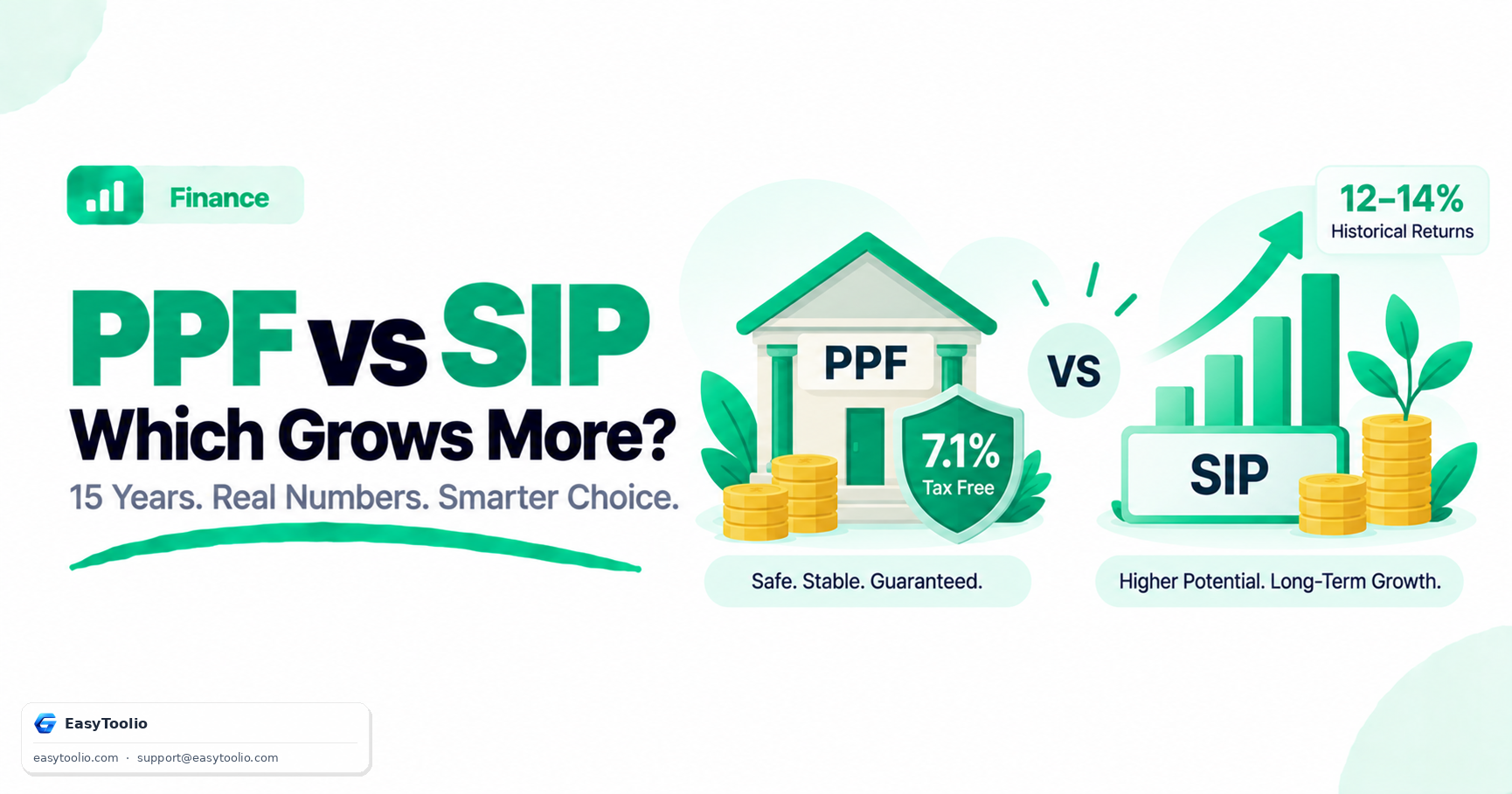
PPF gives guaranteed 7.1% tax-free returns. SIP in equity mutual funds has historically returned 12–14%. But which one actually puts more money in your pocket after 15 years, after accounting for taxes, inflation, and risk? We run the numbers.
Understand the math behind monthly mortgage payments. Learn how to calculate Principal and Interest (P&I) manually, evaluate the costs of PMI, estimate escrow expenses, and discover strategies to save over $200,000 in lifetime interest.
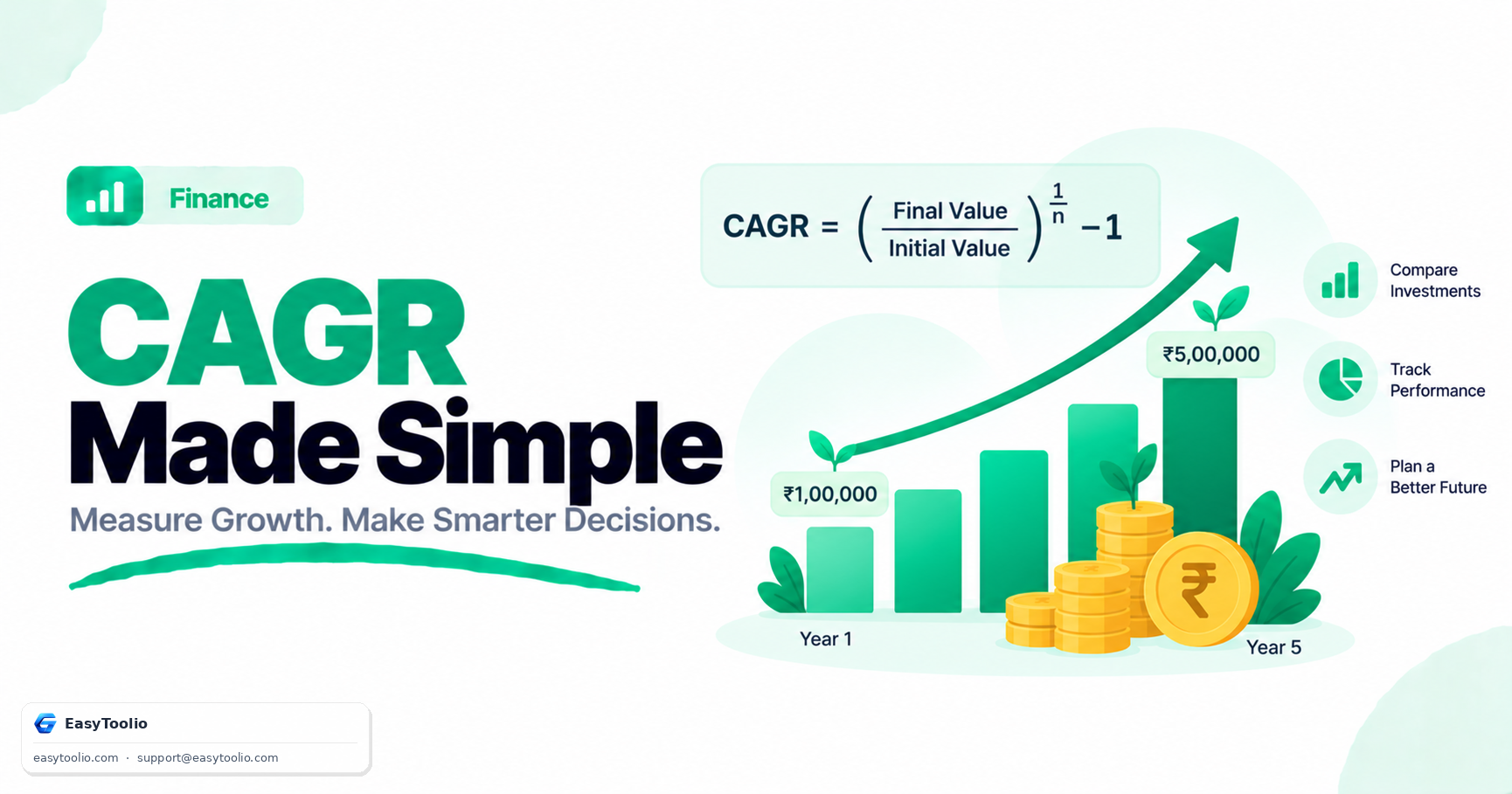
CAGR — Compound Annual Growth Rate — is the most honest way to measure how an investment has grown over time. It smooths out volatile year-to-year swings into a single, comparable annual rate. This guide explains the formula, shows real examples, and explains why CAGR can also be misleading.
How much money do you need to retire? The most cited rule — "save 25× your annual expenses" — is a starting point, not an answer. Your number depends on when you plan to retire, your expected lifestyle, investment returns, inflation, and whether you have pension income. This guide walks through the math.
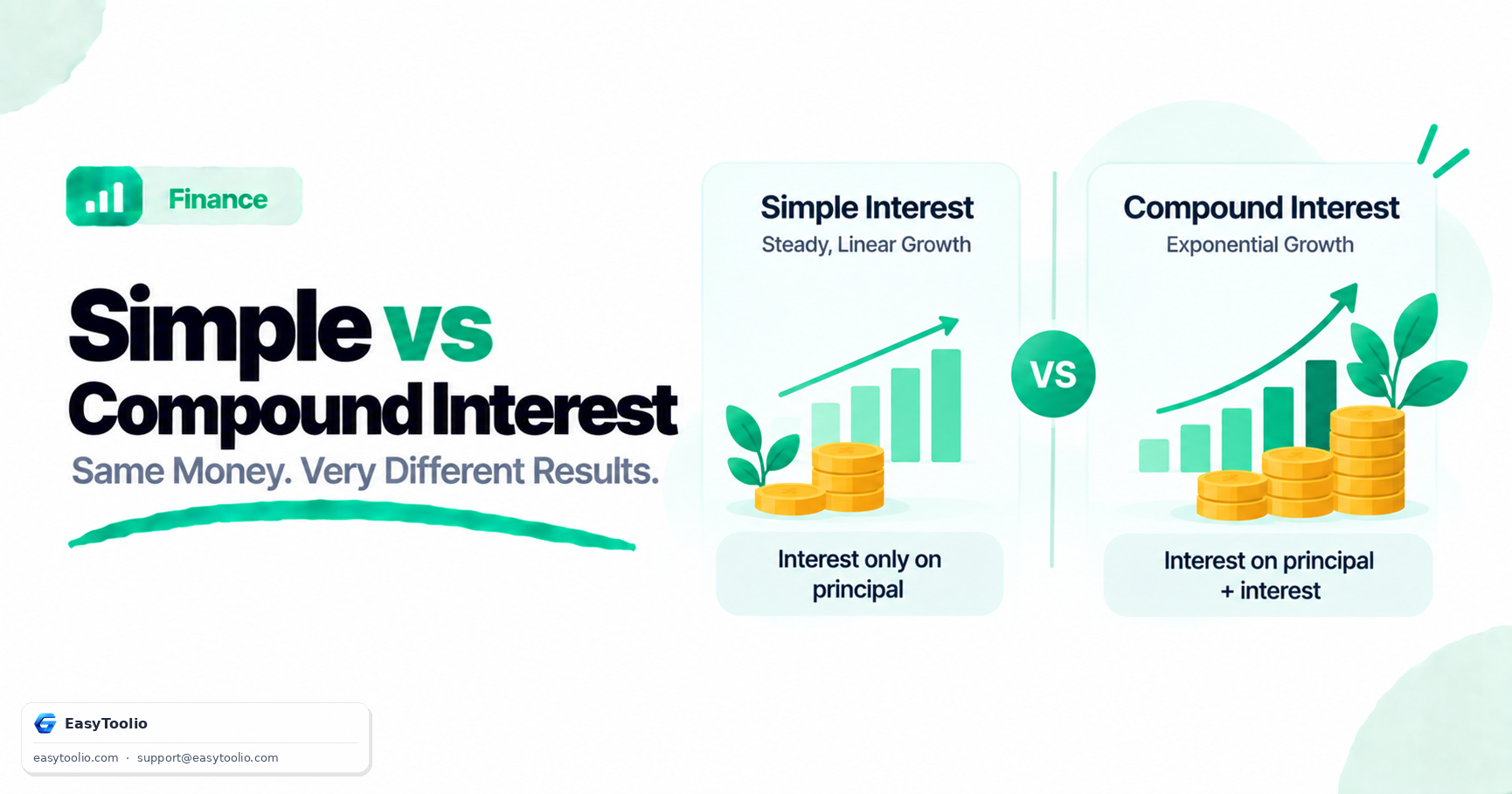
Both earn interest on a principal — but compound interest earns interest on the interest too. After 20 years, the difference is staggering. Here is the side-by-side math.
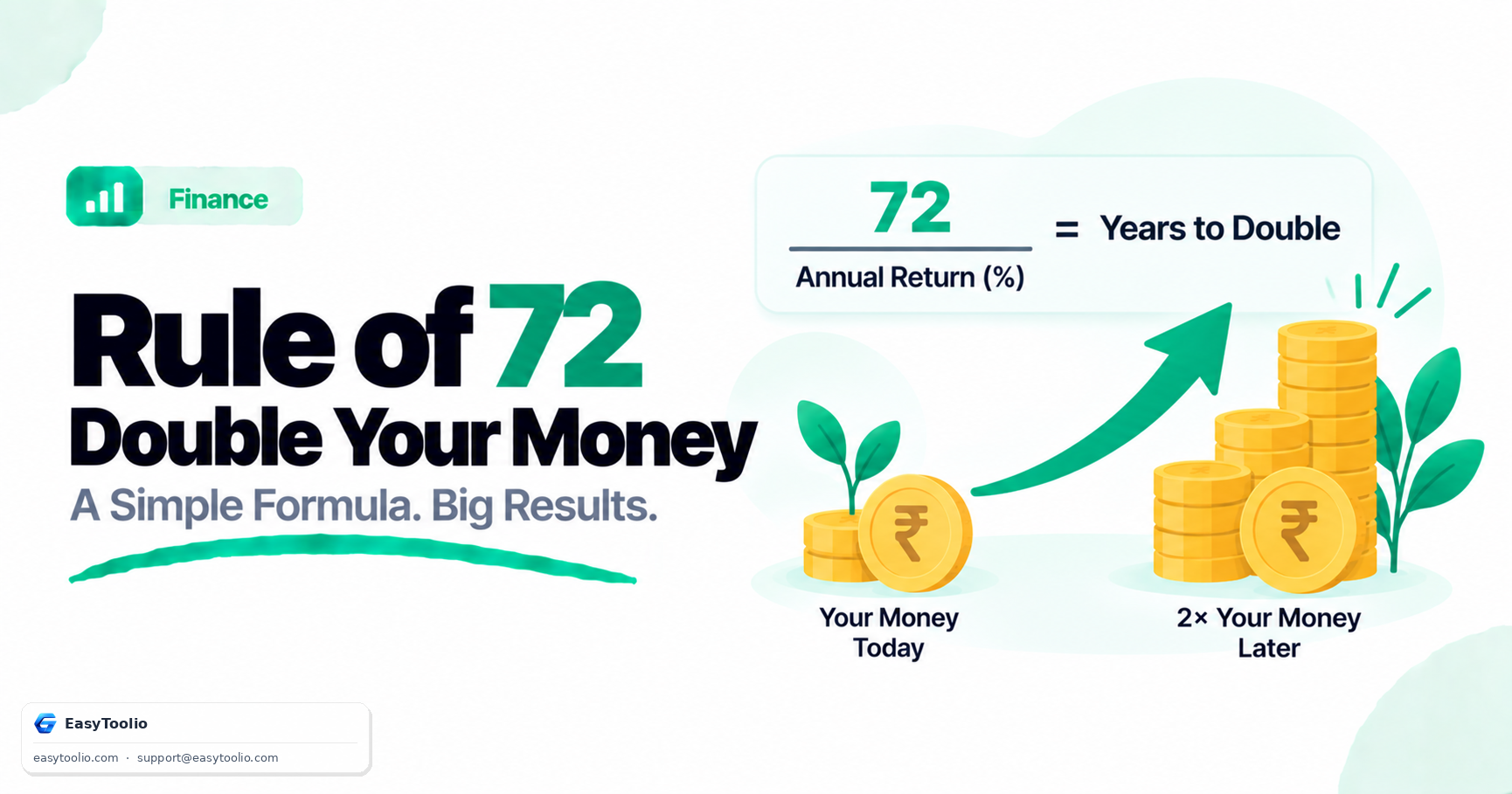
The Rule of 72 is a mental math shortcut used by investors worldwide. Divide 72 by your annual return and you get the number of years it takes your money to double — no spreadsheet needed.
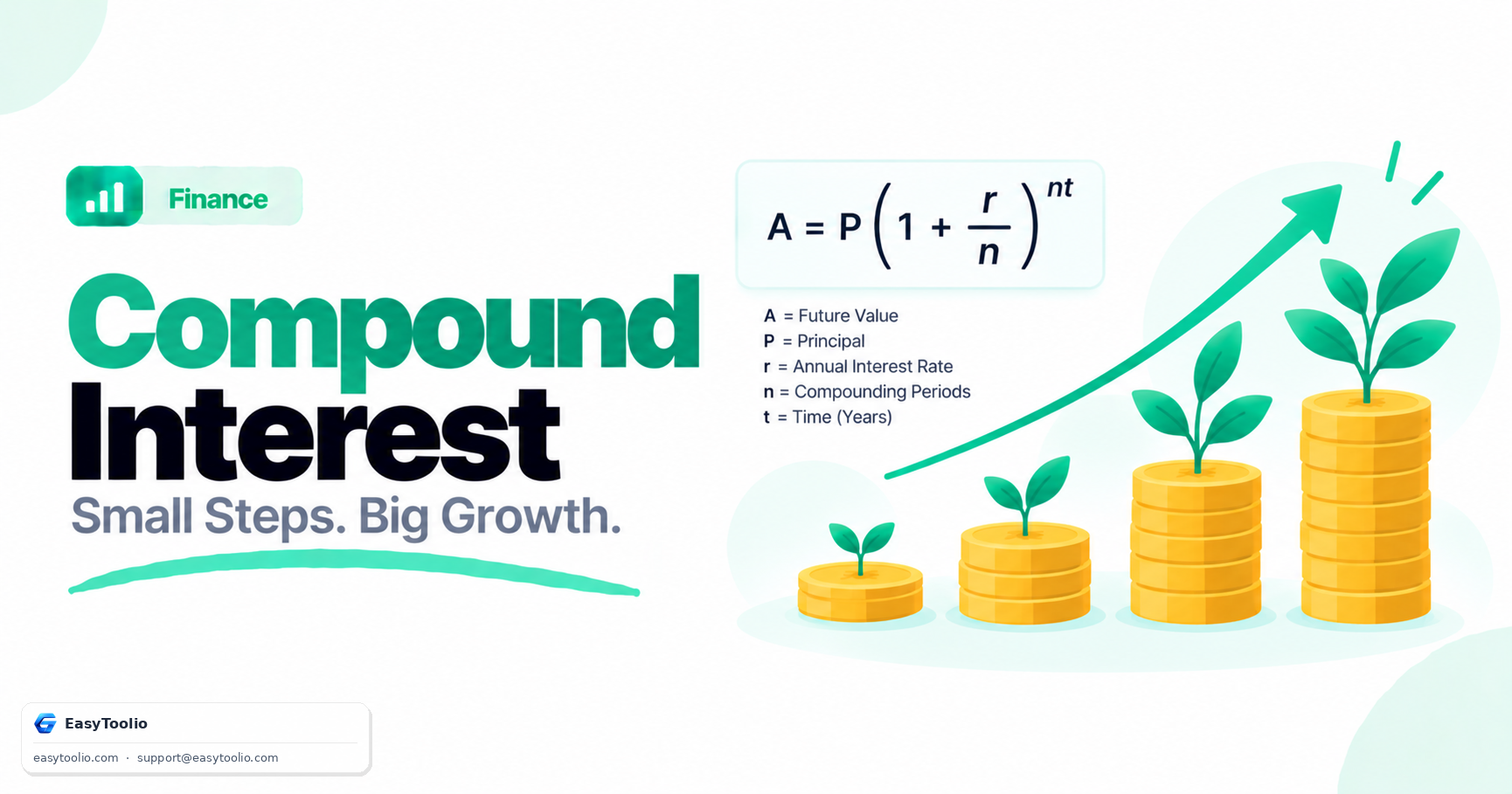
Compound interest is the single most powerful force in personal finance. Understand the formula, see how small differences in rate and time create massive differences in outcome, and learn how to use it to your advantage.