
Is UPI Still Free? What the New MDR Rule Means for You
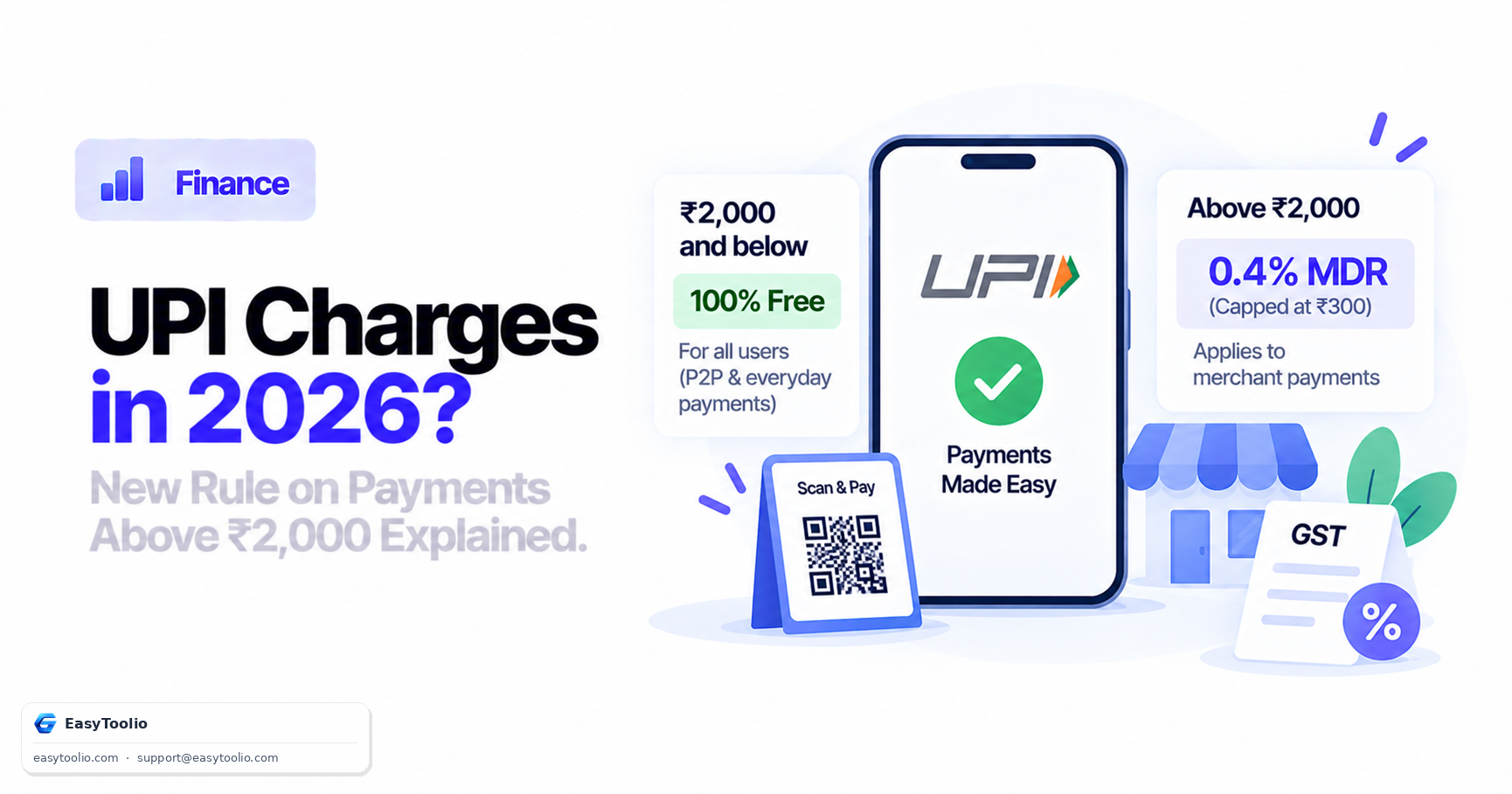
Debunking the rumors: why everyday UPI payments, bill splits, Autopay mandates, and retail scanning stay 100% free for consumers, and where the new 0.4% merchant fee actually applies.
Double check spelling or search for categories (like "finance" or "health").
Client-side privacy, zero latency, zero signups. Instant computation right in your browser.
Compare interest rates, tax implications, and growth timelines side-by-side.
Explore finance, developer utilities, hardware diagnostics, networking and converters in organized suites.
In-depth breakdowns on tax saving hacks, EMI formulas, developer tools & productivity.
Tagged Collection
Browse all expert articles, guides, and tools related to Loans.
Debunking the rumors: why everyday UPI payments, bill splits, Autopay mandates, and retail scanning stay 100% free for consumers, and where the new 0.4% merchant fee actually applies.

Understand the new 2026 UPI MDR rule: what changed, why payments under ₹2,000 and P2P transfers stay 100% free, and how the 0.4% merchant fee capped at ₹300 works — plus the essential-sector, capital-markets, and small-merchant exemptions most guides miss.
Wondering why the bank approved less than you expected? Learn exactly how lenders calculate home loan eligibility using income, FOIR, credit score, and tenure, with a worked example.
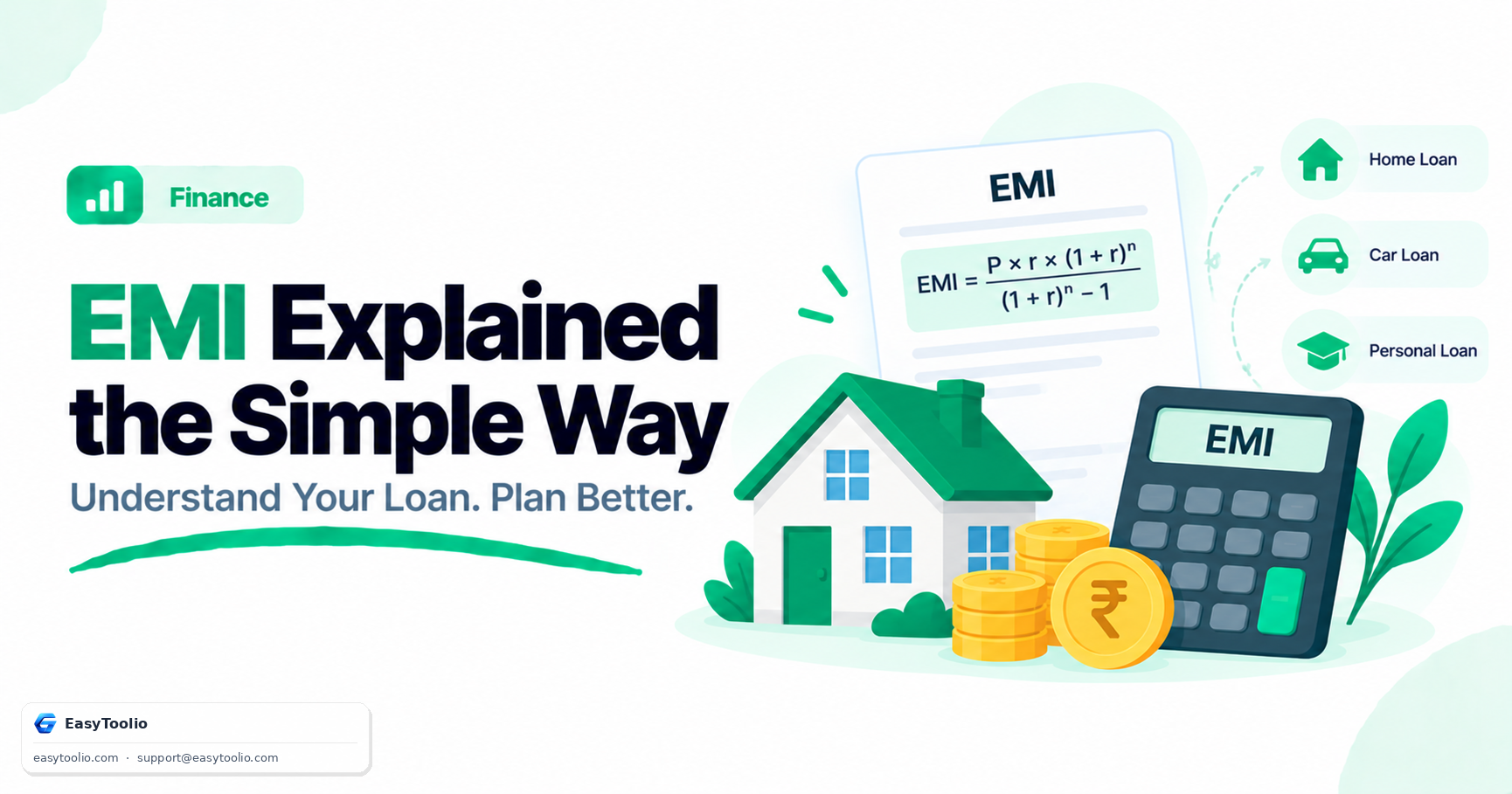
Most Indians accept an EMI figure from their bank without questioning it. This guide explains exactly how Indian banks calculate EMI — the reducing balance method, how RBI repo rate changes flow through to your loan, and what you can do to pay off your home loan years early.
Understand the math behind monthly mortgage payments. Learn how to calculate Principal and Interest (P&I) manually, evaluate the costs of PMI, estimate escrow expenses, and discover strategies to save over $200,000 in lifetime interest.
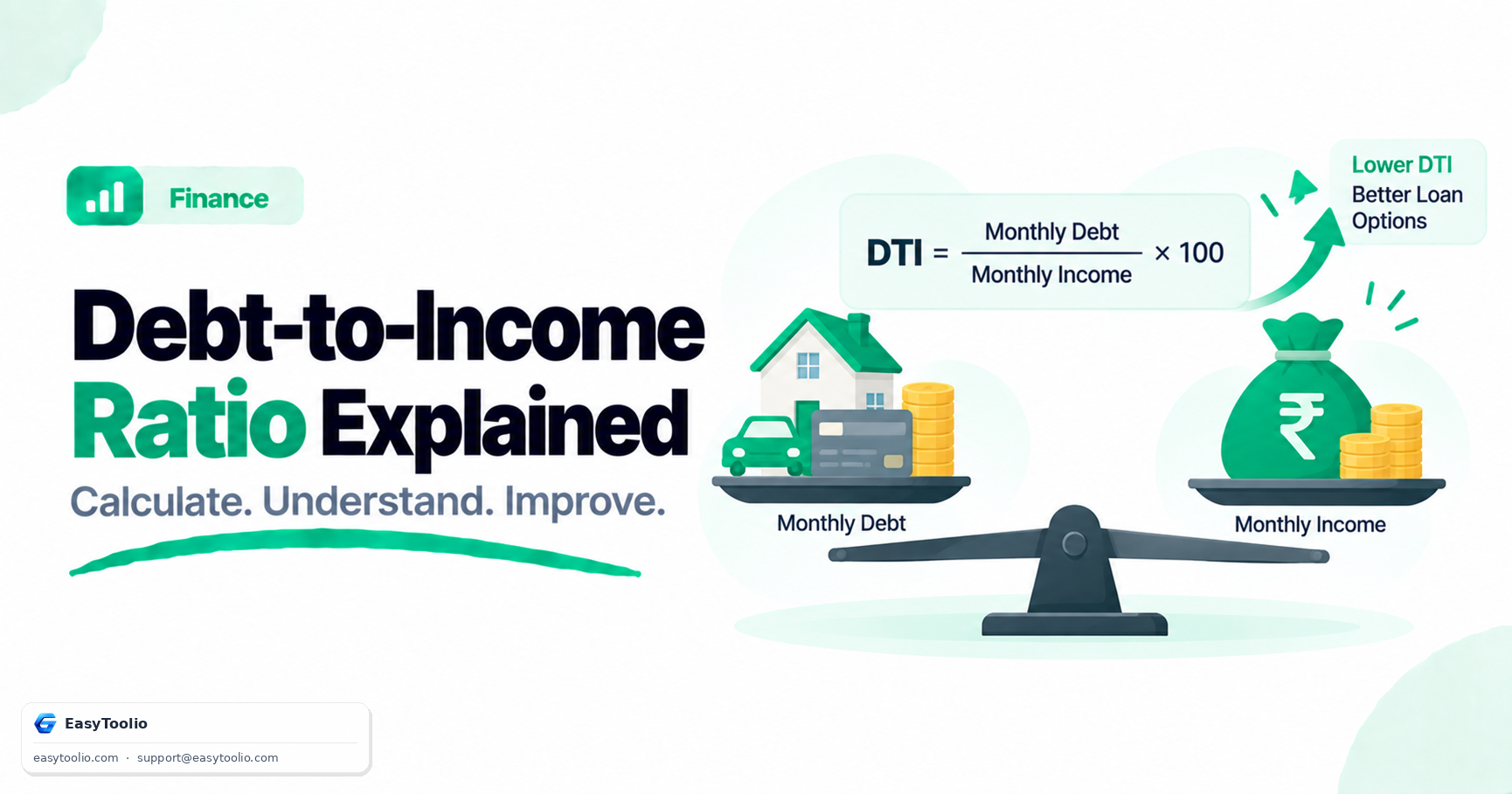
Your Debt-to-Income (DTI) ratio is the single most important number lenders look at when deciding whether to approve your loan — and at what interest rate. This guide explains the exact formula, what lenders consider a good DTI, and the fastest legal strategies to lower yours.
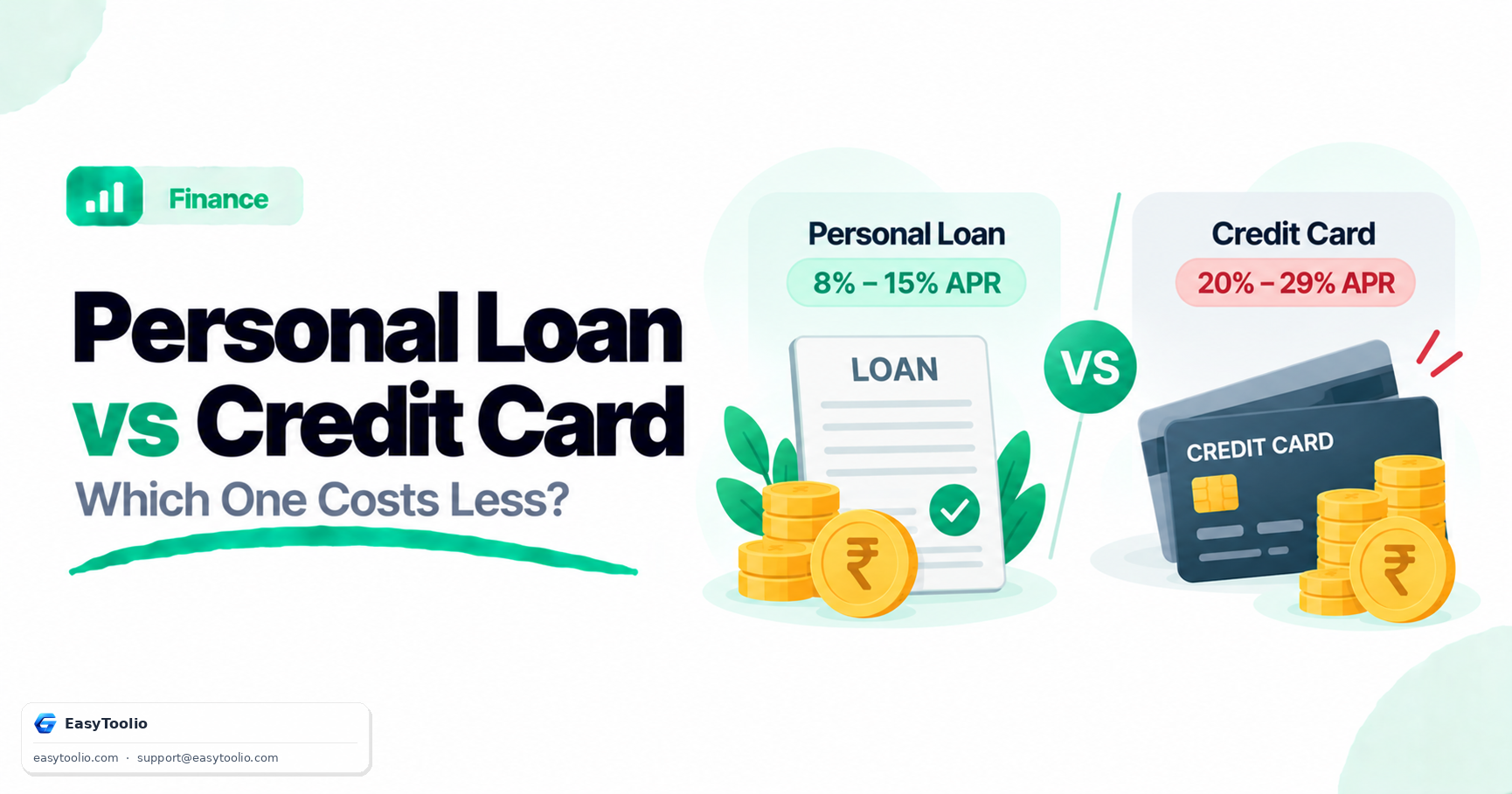
Credit cards charge 20–29% APR in most markets. Personal loans often come in at 8–15%. But the math is not always that simple — minimum payments, promotional rates, and fees change the outcome. Here is a real comparison with actual numbers.
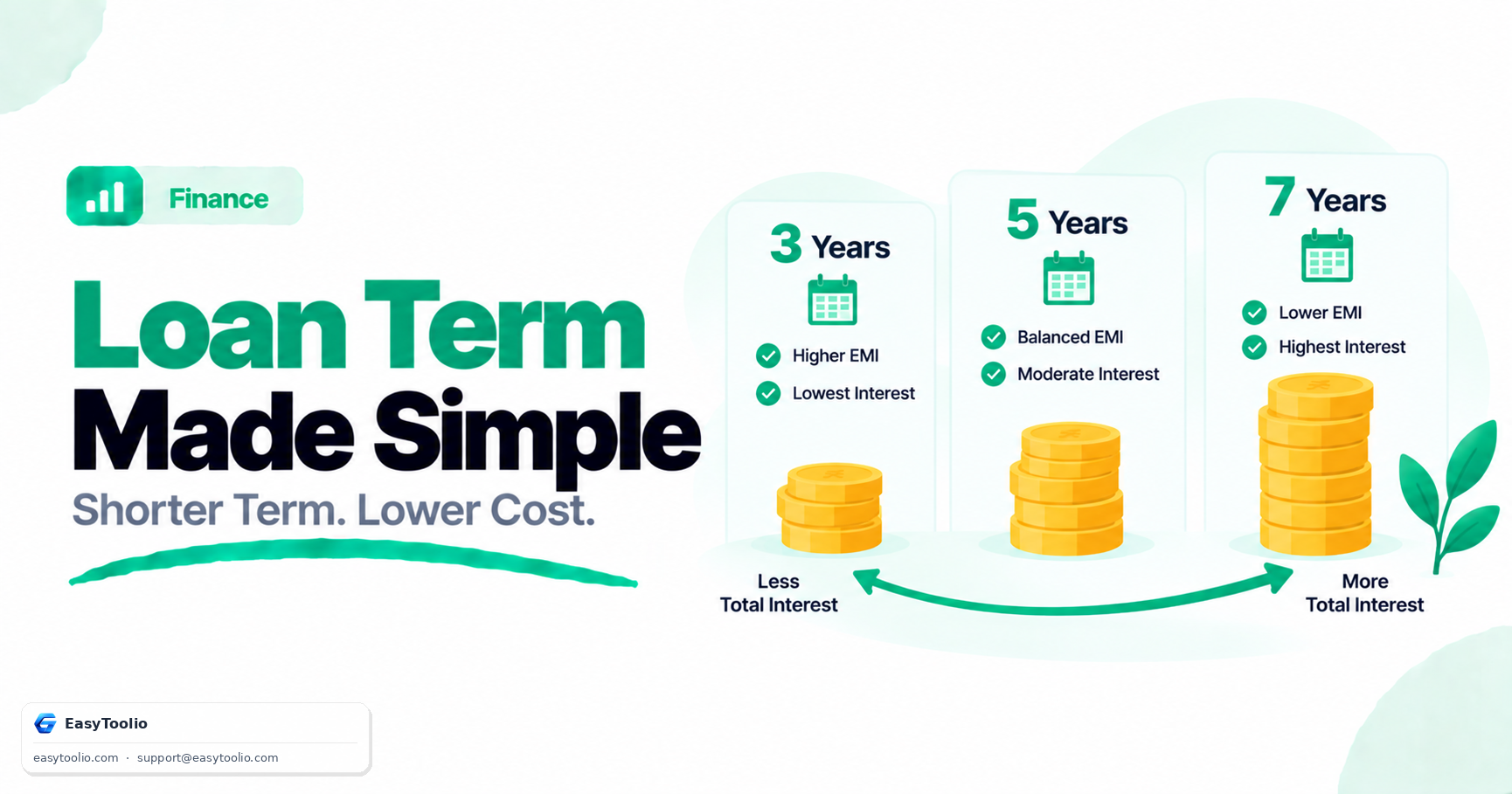
A longer loan term means lower monthly payments but far more total interest. A shorter term costs more each month but saves thousands over the life of the loan. Here is the side-by-side math and a framework for choosing the right loan term for your situation.