Notification
Go to Home All Tools Compare Glossary Blog Contact
Be the first to rate
Health & Wellness

Ideal Weight Calculator

Ideal Weight Calculator

Calculate your ideal body weight range using Devine, Robinson, Miller, and Hamwi formulas. Adjust for body frame size and compare against your current weight.

Private & Secure Calculations

All ideal weight formulas run locally in your browser. No personal data is uploaded to any server.

Your Parameters

cm
kg
Biological Gender
Body Frame Size

Small: −10% | Medium: baseline | Large: +10%

Example Presets

Load profiles to verify calculations:

Ideal Weight Results

Awaiting Parameters

Enter your height, gender, and frame size to calculate your ideal weight across four scientific formulas.

Understanding Ideal Weight & Body Composition

Learn about the science behind ideal weight formulas and how they relate to your overall health.

The Four IBW Formulas

Each formula uses a base weight for the first 5 feet (60 inches) of height and adds an increment for each additional inch. Devine, Robinson, Miller, and Hamwi differ in their base weights and per-inch increments because they were calibrated against different study populations across different decades.

Body Frame Size

Your skeletal frame influences your ideal body weight. People with small frames have narrower shoulders and lighter bone structures, while large-frame individuals have wider joints and heavier bones. A simple wrist circumference test can estimate your frame: measure your wrist and compare against height and gender charts.

Limitations of IBW Formulas

IBW formulas don't account for muscle mass, body fat distribution, age-related changes, or ethnic diversity. Athletes, pregnant women, and growing adolescents should use these results as general guidance only. For precise targets, consider combining IBW with body fat percentage and waist circumference measurements.

Wellness & Health Coach

AI Advisor Health Advisor

Get personalized advice on fitness routines, diet plans, and understanding your health metrics better.

Topics this feature will cover:

🥗 Diet & Nutrition 🏃 Fitness Routines 🩺 Understanding Metrics

Be first to access it when it launches.

We'll notify you the moment AI Advisor goes live. One email, no spam.

FAQs

Frequently Asked Questions

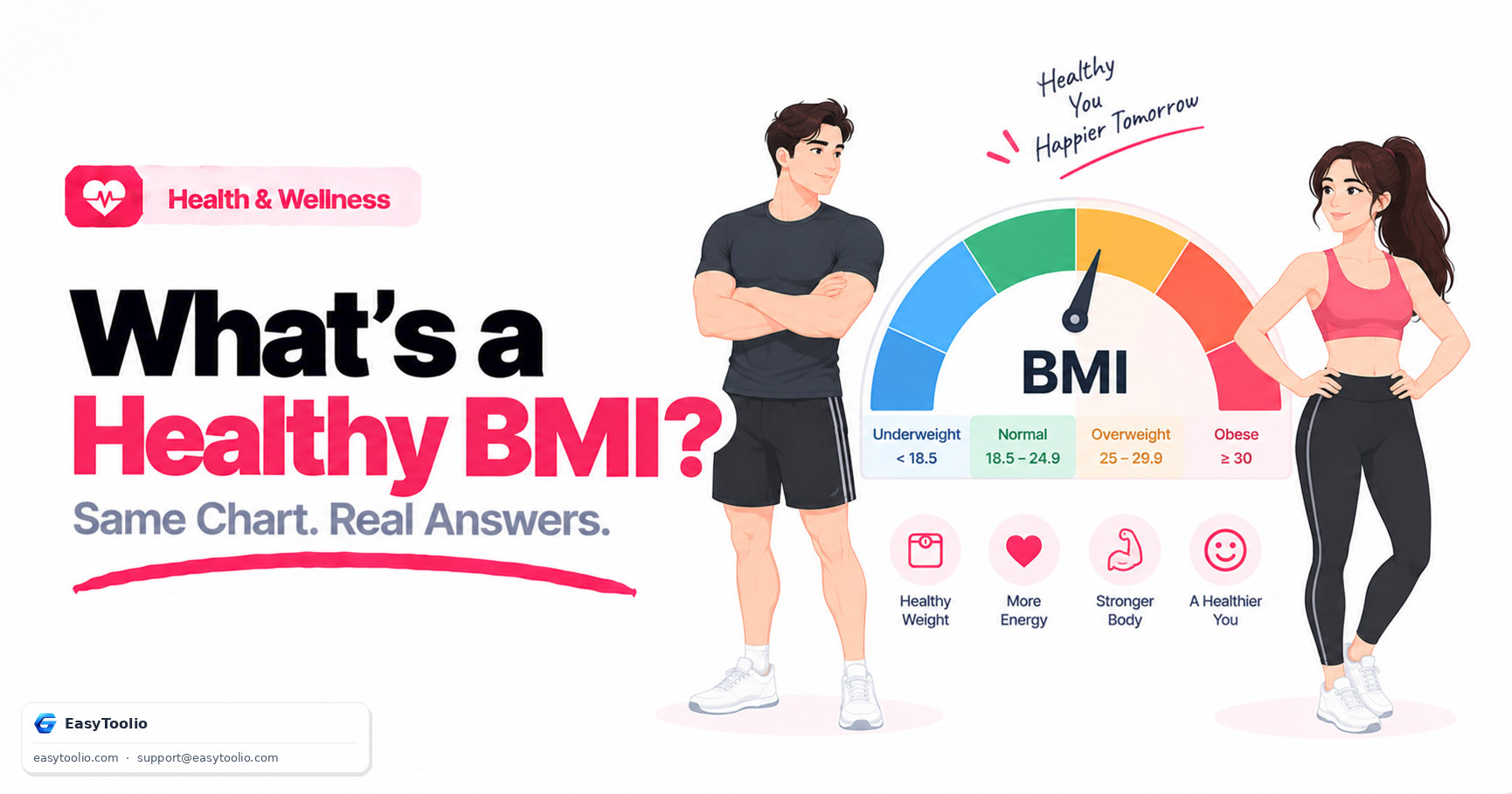
Ideal Body Weight (IBW) is a target weight range calculated from your height and gender using clinically developed formulas. BMI (Body Mass Index) measures the ratio of your total weight to your height squared. IBW gives you a specific target range in kilograms or pounds, while BMI provides a numerical category (underweight, normal, overweight, obese).

Each formula was developed by different researchers across different decades using distinct population datasets. Devine (1974) was originally created for drug dosage calculations. Robinson (1983) and Miller (1983) refined the Devine model for different demographic distributions. Hamwi (1964) was one of the earliest clinical approaches. Comparing all four gives a broader, more reliable ideal weight range.

People with larger bone structures and wider shoulders (large frame) naturally carry more lean mass. The calculator adjusts the ideal weight by -10% for small frames and +10% for large frames to account for skeletal size differences. Medium frames use the baseline calculation.

These formulas work best for average adults aged 18-65 and heights above 152 cm (5 feet). They do not account for high muscle mass (athletes, bodybuilders), pregnant or breastfeeding women, or individuals with specific medical conditions. Always consult a healthcare professional for personalized guidance.

An ideal weight calculator estimates a healthy target weight range based on factors such as height, gender, and body frame size. It uses established medical formulas to provide guidance for maintaining a healthy body weight.

Ideal body weight is calculated using clinically recognized formulas such as Devine, Robinson, Miller, and Hamwi. These formulas primarily consider height and gender to estimate a healthy weight range.

A healthy weight range varies by height, gender, body composition, and overall health. Most ideal weight formulas provide a target range rather than a single number because healthy body weights differ among individuals.

Yes. Ideal weight formulas are general guidelines and do not account for muscle mass, fitness level, or body composition. Many healthy individuals may weigh more than their calculated ideal weight due to increased lean muscle mass.

Most traditional ideal weight formulas do not directly include age. However, age can influence body composition, muscle mass, and metabolism, which may affect what is considered a healthy weight for an individual.

Athletes can use ideal weight calculators as a reference, but results may not accurately reflect their optimal weight because higher muscle mass often increases body weight without negatively affecting health.

Both are important, but body composition often provides a more complete picture of health. Factors such as body fat percentage, muscle mass, and fitness level can be just as important as total body weight.

Yes. An ideal weight calculator can help establish realistic weight loss or weight gain goals by providing a healthy target range based on your height and gender.

Men and women typically differ in muscle mass, bone density, and body fat distribution. Ideal weight formulas account for these biological differences when estimating healthy weight ranges.

Not necessarily. Ideal body weight is a calculated health guideline, while a target weight may be a personal fitness or medical goal. Your target weight should consider overall health, body composition, and advice from healthcare professionals.

Articles

Related Guides & Insights

Read our in-depth articles and guides related to this tool to help you make smarter decisions.

Workflow Suggestions

Recommended for Your Workflow

Category Showcase

More from Health & Wellness

Platform Spotlight

Popular Tools on EasyToolio

Explore More Tools Like Ideal Weight Calculator

Loved the Ideal Weight Calculator? Explore our suite of related utilities to boost your productivity even further.