Notification
Go to Home All Tools Compare Glossary Blog Contact
Be the first to rate
Health & Wellness

Body Fat Calculator

Body Fat Calculator

Estimate your body fat percentage, lean body mass, fat mass, and ideal ranges using body circumference measurements (U.S. Navy Method).

Secure Physical Composition Estimates

Calculations run locally in client-side Javascript. No bodily circumferences or weight values are uploaded to servers.

Body Circumferences

kg
cm
cm
cm
Biological Gender

Example Presets

Load profiles to check calculations:

Body Composition

Awaiting Parameters

Fill in your physical circumferences to predict biological body fat levels.

Body Composition & Health Planning Guide

Understanding the difference between weight and body fat, and how to track fitness progress.

Body Fat vs. BMI

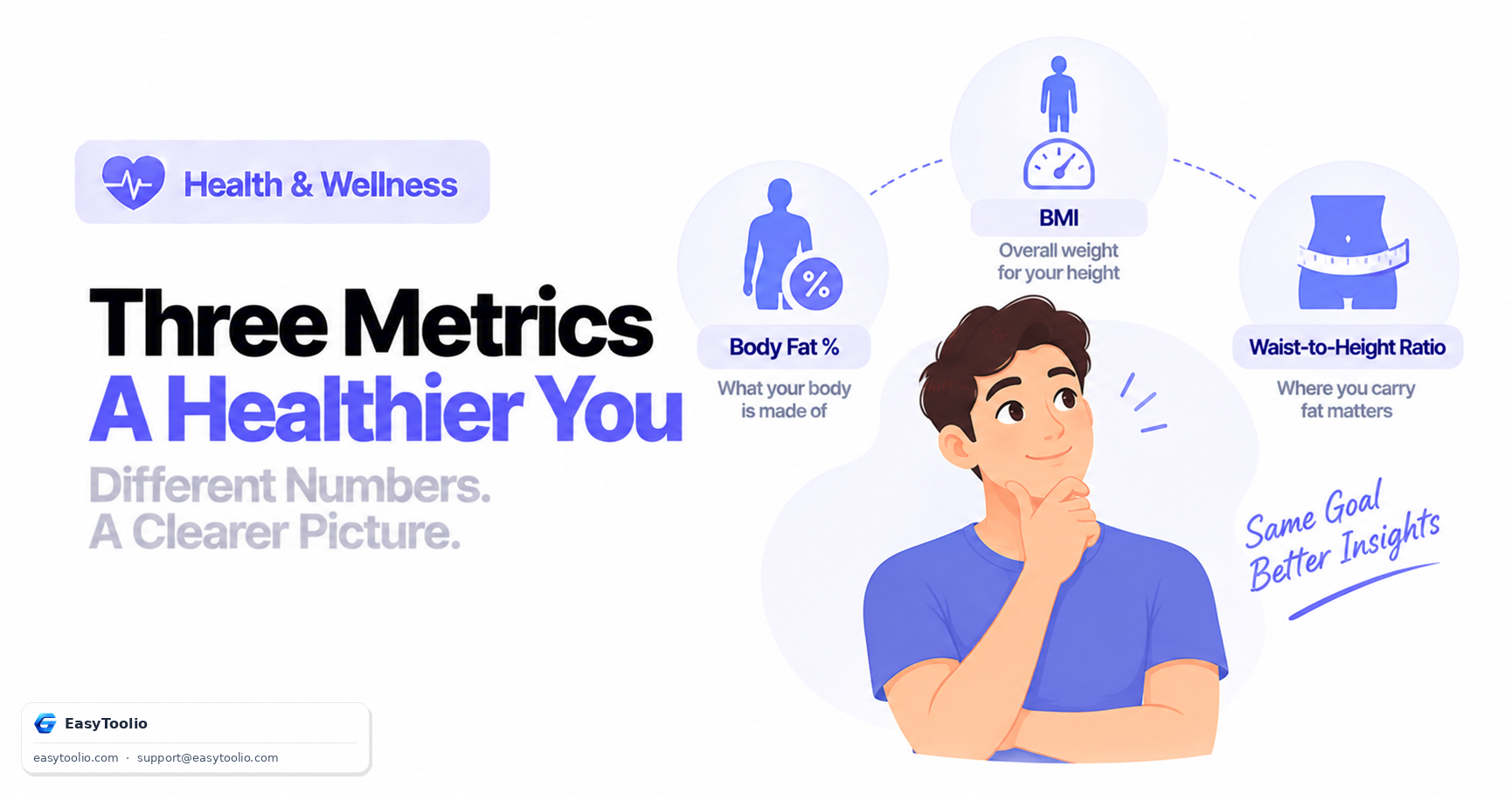
BMI (Body Mass Index) only evaluates total weight relative to height. It cannot tell the difference between heavy muscle mass and adipose fat tissue. Body Fat calculations measure actual body composition, giving a clearer picture of metabolic health and cardiovascular risk profiles.

Lean Mass vs. Fat Mass

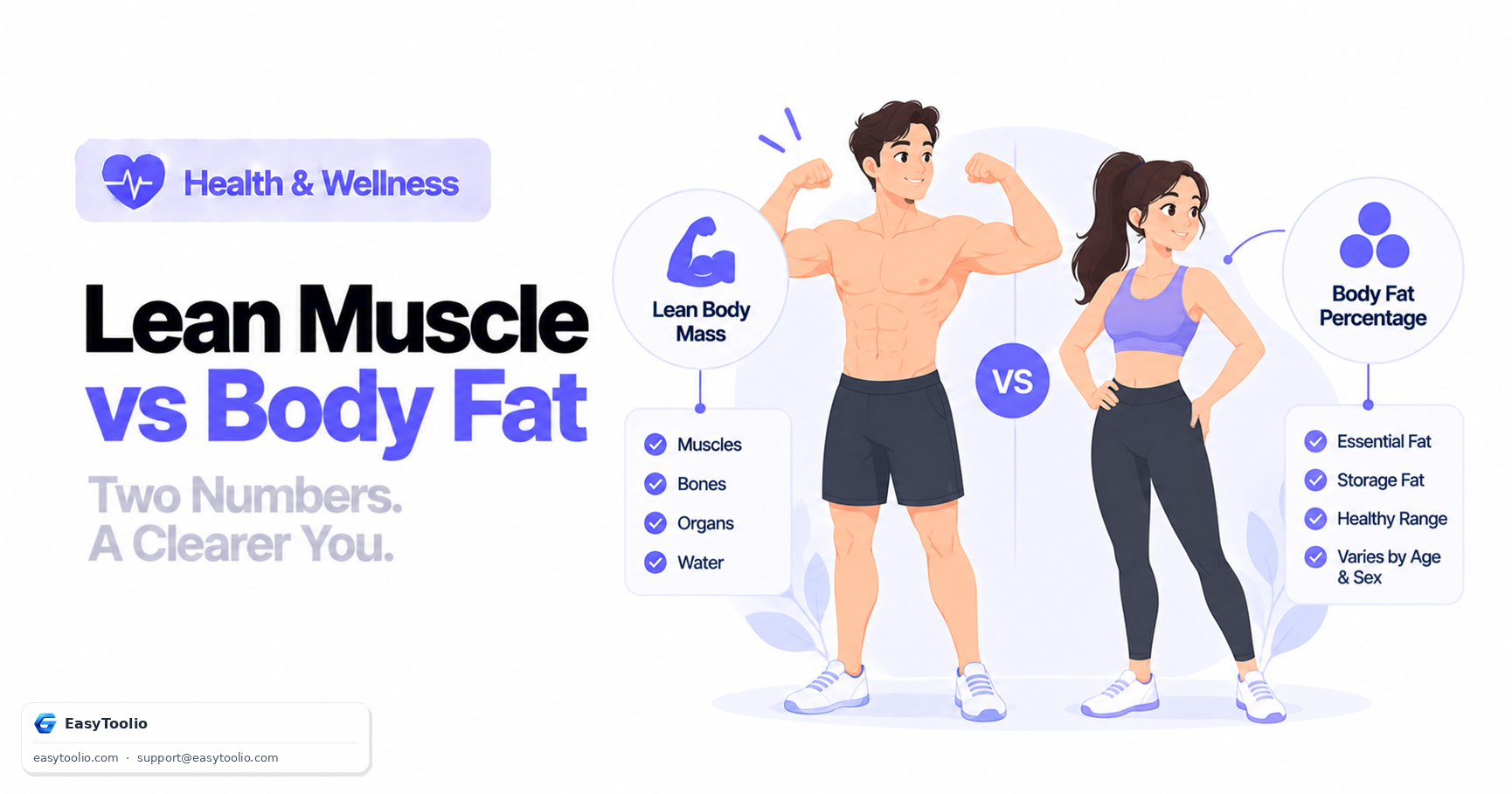
Lean Body Mass (LBM) encompasses everything in your body except stored fat: muscles, bones, water, blood volume, and structural organs. Essential body fat is necessary for hormone manufacturing, cell protection, and vitamin absorption, while storage fat serves as energy reserves.

Optimizing Composition

To improve your body composition:

  • Fat Loss: Maintain a slight calorie deficit (-300 to -500 kcal) while keeping protein intake high to spare lean muscle tissue.
  • Muscle Gain: Perform progressive weight training coupled with a slight calorie surplus (+200 to +300 kcal).
Wellness & Health Coach

AI Advisor Health Advisor

Get personalized advice on fitness routines, diet plans, and understanding your health metrics better.

Topics this feature will cover:

🥗 Diet & Nutrition 🏃 Fitness Routines 🩺 Understanding Metrics

Be first to access it when it launches.

We'll notify you the moment AI Advisor goes live. One email, no spam.

FAQs

Frequently Asked Questions

The U.S. Navy Circumference method is a very reliable estimate for most people, typically within 3-4% of DEXA scans or hydrostatic weighing. It is far more accurate than simple BMI for muscular individuals or those with active lifestyles.

Women naturally store more essential fat in the pelvic and hip regions due to biological and reproductive factors. The female U.S. Navy formula incorporates hip circumference alongside waist and neck to accurately reflect these differences.

Healthy ranges vary by gender and age. Generally, the acceptable range is 14-24% for men and 21-31% for women. Athletic ranges are lower (6-13% for men, 14-20% for women). Values below essential levels (2% for men, 10% for women) or above obese thresholds are discouraged.

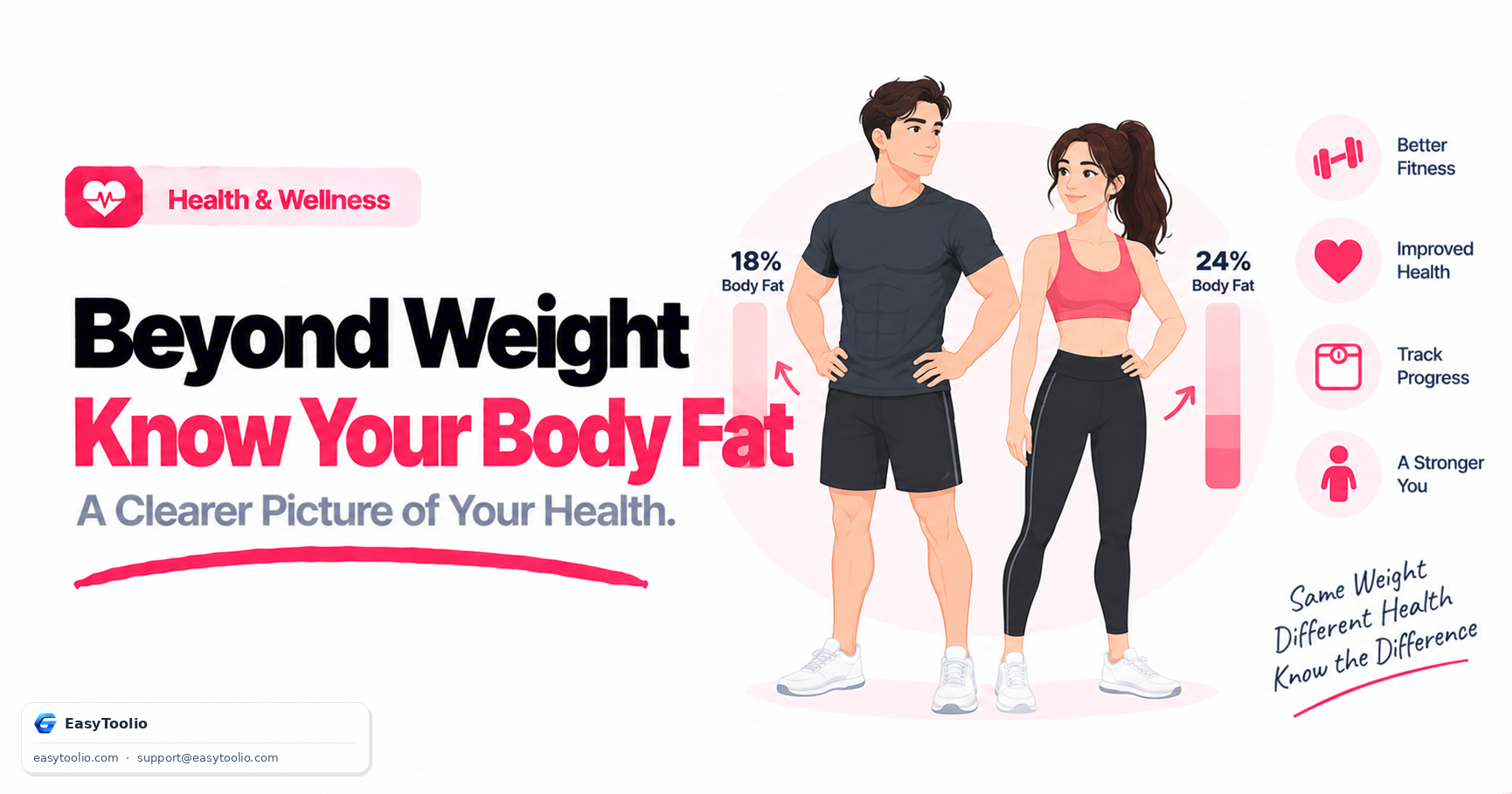
Body fat percentage is the proportion of your total body weight that consists of fat tissue. It provides a more detailed picture of body composition than weight alone and helps assess overall fitness and health.

This calculator uses the U.S. Navy Body Fat Formula, which estimates body fat percentage using measurements such as height, neck, waist, and hip circumference (for women). The formula is widely used because it is simple and reasonably accurate.

Most users need their height, neck circumference, and waist circumference. Women must also provide hip circumference because body fat distribution differs between men and women.

BMI estimates whether your weight is appropriate for your height but does not distinguish between muscle and fat. Body fat percentage directly measures the amount of fat in your body, making it a more useful indicator of body composition.

Yes. Athletes and individuals with high muscle mass may have a BMI classified as overweight while maintaining a low body fat percentage. This is one reason body fat percentage is often considered more informative than BMI.

For most people, measuring body fat once every 2 to 4 weeks is sufficient. Daily measurements are not recommended because normal fluctuations in hydration and body composition can affect results.

Yes. Combining a balanced diet with strength training and regular physical activity can help reduce body fat while preserving or even increasing muscle mass. Gradual and sustainable changes typically produce the best results.

Articles

Related Guides & Insights

Read our in-depth articles and guides related to this tool to help you make smarter decisions.

Workflow Suggestions

Recommended for Your Workflow

Category Showcase

More from Health & Wellness

Platform Spotlight

Popular Tools on EasyToolio

Explore More Tools Like Body Fat Calculator

Loved the Body Fat Calculator? Explore our suite of related utilities to boost your productivity even further.