Notification
Go to Home All Tools Compare Glossary Blog Contact
Be the first to rate
Health & Wellness

Protein Intake Calculator

Protein Intake Calculator

Calculate your optimal daily protein requirements based on age, gender, weight, activity levels, and fitness goals. View meal splits and track protein food sources.

Private & Secure Calculations

Your physical parameters and calculated targets are processed strictly locally in your browser. No data is stored externally.

Your Parameters

75 kg
30 years
Biological Gender
Fitness Goal

Example Presets

Requirements Summary

Ready to Calculate

Set your body weight, activity levels, and fitness goal to calculate your recommended daily protein targets.

Science-Backed Nutrition & Protein Guidelines

Understand the vital role protein plays in lean tissue preservation, recovery, and overall wellness.

Muscle Growth & Synthesis

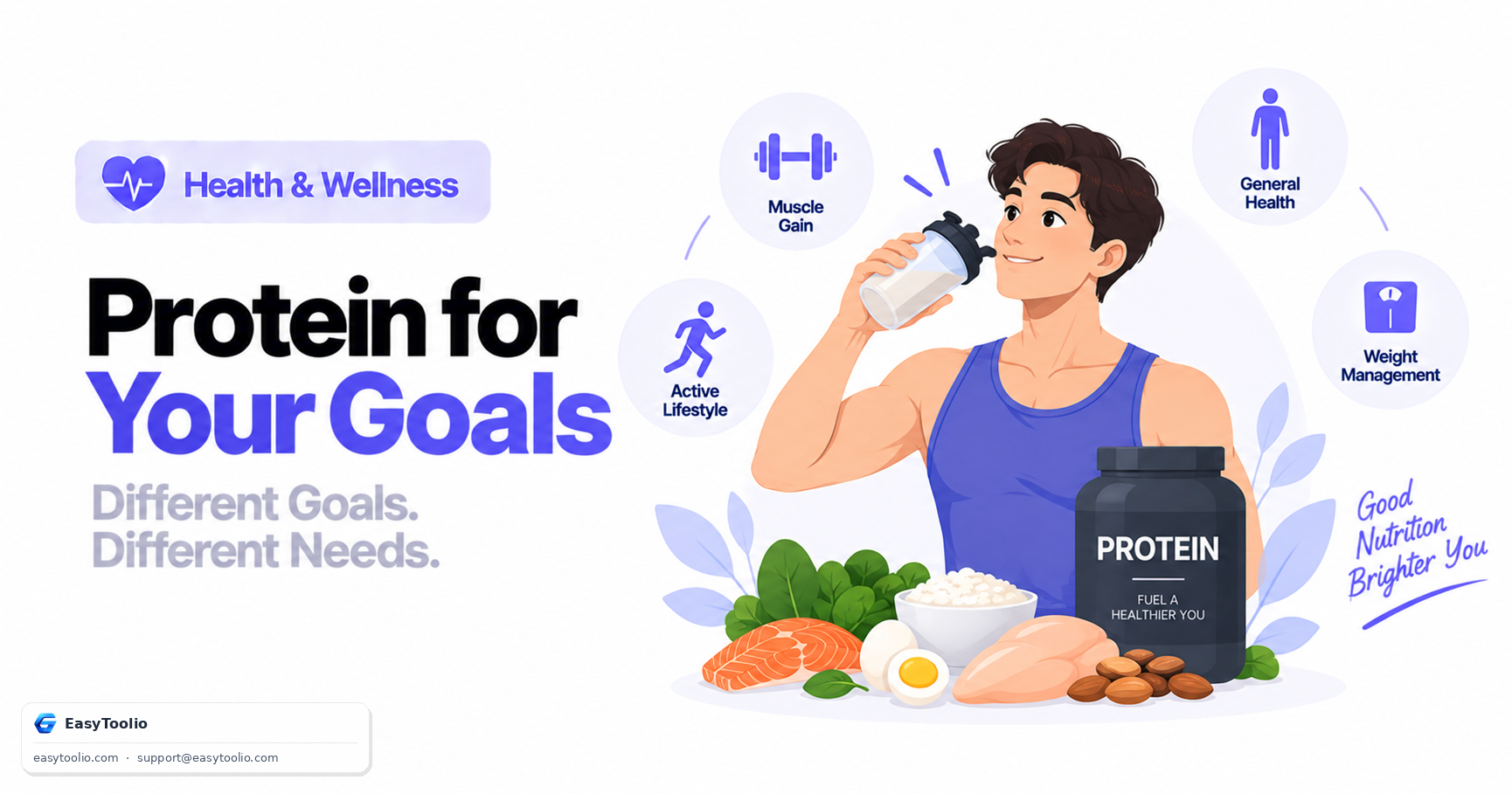
Muscle Protein Synthesis (MPS) is the process of building new muscle tissue. To trigger MPS effectively, your body needs a high availability of essential amino acids (especially Leucine). Consuming 1.6 to 2.2 grams of protein per kilogram of body weight gives your muscles the raw components required to repair micro-tears caused by resistance training, resulting in muscle growth.

Athletic Recovery & Older Adults

As we age, our bodies experience "anabolic resistance," meaning we require more protein to trigger the same muscle preservation signals. Individuals over 65 benefit from a baseline of 1.2 to 2.0 g/kg of protein to ward off sarcopenia (muscle wasting). Similarly, endurance and strength athletes need elevated protein targets to recover from intensive structural stressors.

Satiety & Muscle Preservation

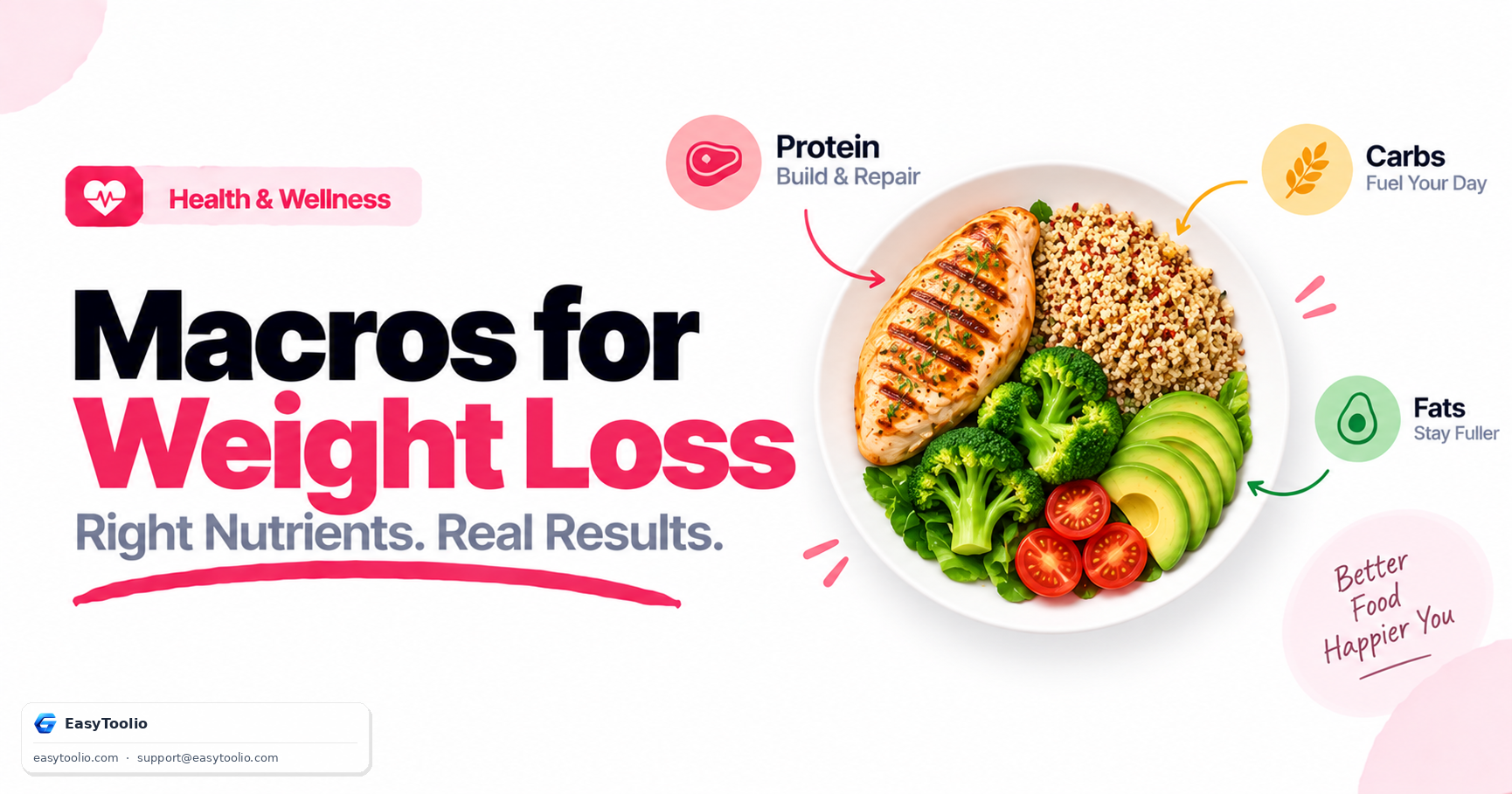
During weight loss, a calorie deficit forces the body to utilize fat and muscle for energy. High protein intake signals the body to preserve lean muscle, ensuring weight loss comes primarily from fat tissue. Furthermore, protein has the highest satiety index of all macronutrients and is thermogenic, helping to control hunger and burn more calories passively.

FAQs

Frequently Asked Questions

The baseline Recommended Dietary Allowance (RDA) is 0.8 grams per kilogram of body weight (0.36g/lb) to prevent deficiency in sedentary adults. However, active individuals, athletes, older adults, and those looking to lose weight or build muscle need significantly more: generally between 1.2 and 2.4 grams per kilogram (0.54 to 1.1g/lb).

During a caloric deficit, your body is prone to breaking down muscle tissue for energy. Consuming higher protein (1.6 to 2.2 g/kg) helps preserve lean muscle mass, increases satiety (keeps you full longer), and increases the thermic effect of food (energy burned during digestion), facilitating healthier weight loss.

Research indicates that spacing protein intake in doses of 20 to 40 grams per meal every 3 to 4 hours is optimal for maximizing muscle protein synthesis (MPS). Consuming excessive protein in a single sitting is not wasted—it is absorbed for other metabolic functions—but spacing it out triggers the anabolic response multiple times a day.

Complete proteins contain all nine essential amino acids that the human body cannot synthesize on its own. Animal-based sources (meat, dairy, eggs) and a few plant-based foods (quinoa, soy, chia seeds) are complete. Most plant foods are incomplete, but you can easily combine different plant sources (like rice and beans) throughout the day to meet your amino acid requirements.

A protein intake calculator estimates how much protein you should consume daily based on factors such as body weight, age, activity level, and fitness goals. It helps determine appropriate protein intake for maintenance, weight loss, muscle gain, or athletic performance.

Protein is essential for building and repairing muscles, producing enzymes and hormones, supporting immune function, and maintaining healthy skin, hair, and organs. It is one of the three primary macronutrients required for overall health.

Daily protein needs are commonly calculated using body weight and activity level. Recommendations are usually expressed as grams of protein per kilogram or pound of body weight, with higher amounts suggested for active individuals and athletes.

Yes. Adequate protein intake provides the amino acids needed for muscle repair and growth. When combined with resistance training, consuming sufficient protein can help increase muscle mass and improve recovery.

Most healthy individuals can safely consume high-protein diets within recommended ranges. However, excessively high protein intake may be unnecessary and individuals with certain kidney conditions should consult a healthcare professional before significantly increasing protein consumption.

High-quality protein sources include lean meats, poultry, fish, eggs, dairy products, soy products, legumes, beans, lentils, nuts, seeds, and protein supplements. A varied diet can help ensure adequate amino acid intake.

Yes. Vegetarians and vegans can meet their protein requirements by consuming a variety of plant-based foods such as beans, lentils, tofu, tempeh, edamame, quinoa, nuts, and seeds throughout the day.

Protein can support weight loss by increasing feelings of fullness, helping preserve lean muscle mass during calorie restriction, and slightly increasing calorie expenditure through the thermic effect of food.

Yes. Older adults often benefit from slightly higher protein intake to help maintain muscle mass, strength, and physical function as natural age-related muscle loss occurs over time.

Absolutely. Protein is essential for everyone, not just athletes. It supports tissue repair, immune health, hormone production, and many other vital bodily functions regardless of activity level.

Articles

Related Guides & Insights

Read our in-depth articles and guides related to this tool to help you make smarter decisions.

Workflow Suggestions

Recommended for Your Workflow

Category Showcase

More from Health & Wellness

Platform Spotlight

Popular Tools on EasyToolio

Explore More Tools Like Protein Intake Calculator

Loved the Protein Intake Calculator? Explore our suite of related utilities to boost your productivity even further.