How Barcode Scanners Read 1D Lines: Laser vs CCD Camera Recognition
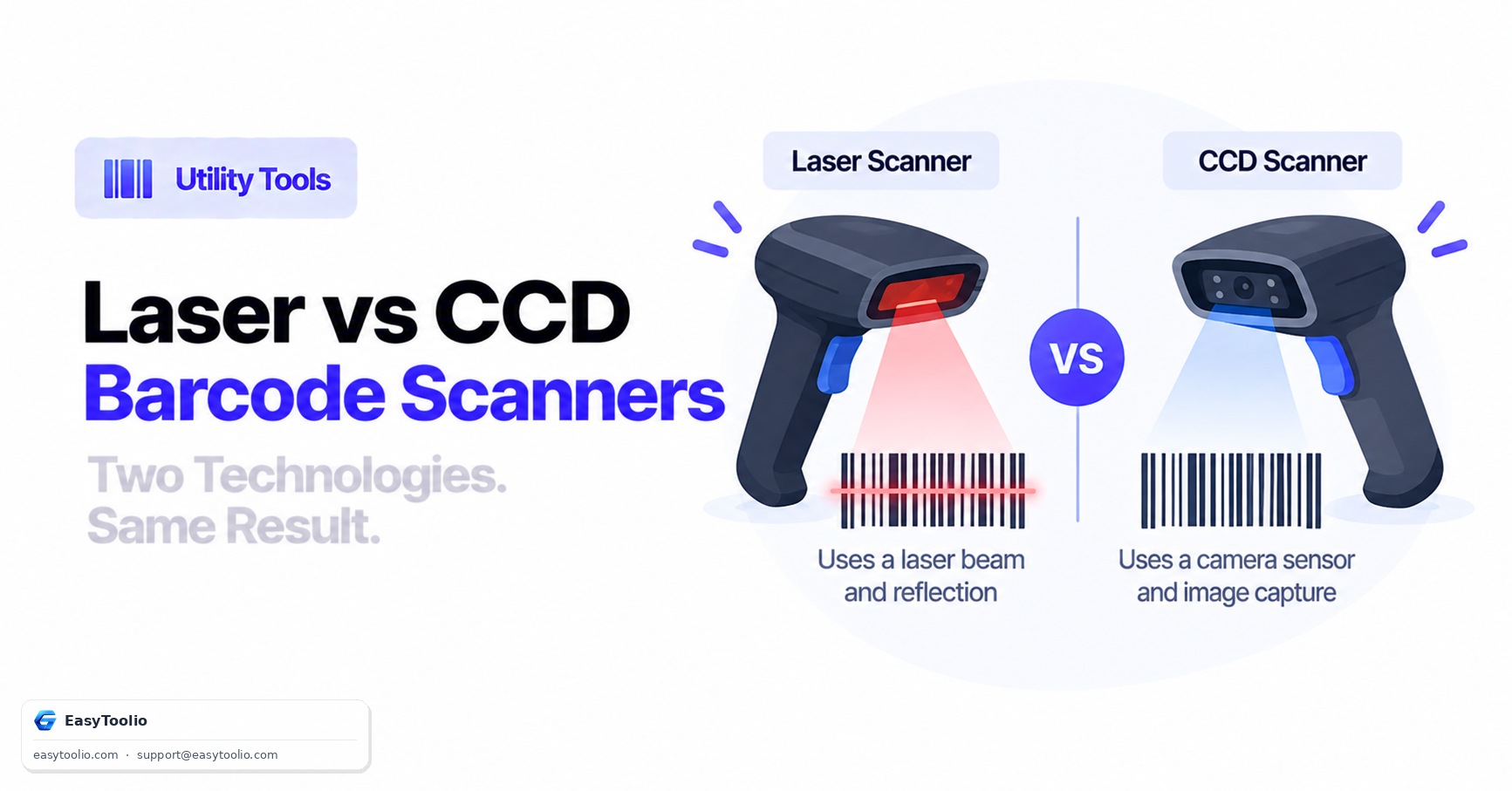
Compare barcode scanning hardware: Learn how red laser diode reflections and CCD image sensors decode 1D linear barcode lines and check digits.
Double check spelling or search for categories (like "finance" or "health").
Client-side privacy, zero latency, zero signups. Instant computation right in your browser.
Compare interest rates, tax implications, and growth timelines side-by-side.
Explore finance, developer utilities, hardware diagnostics, networking and converters in organized suites.
In-depth breakdowns on tax saving hacks, EMI formulas, developer tools & productivity.
Tagged Collection
Browse all expert articles, guides, and tools related to IP Address.
Compare barcode scanning hardware: Learn how red laser diode reflections and CCD image sensors decode 1D linear barcode lines and check digits.
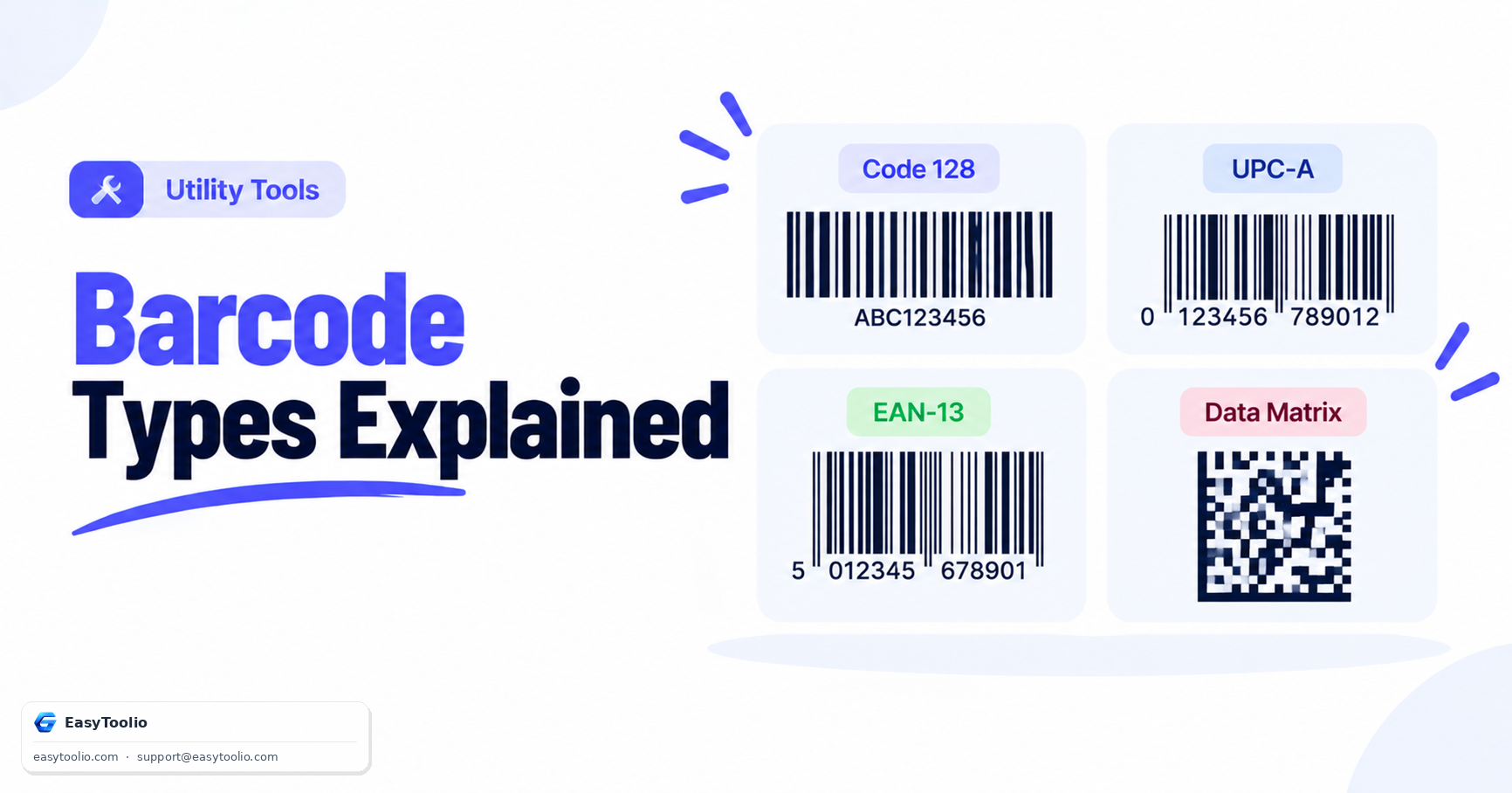
Understand barcode standards: Compare 1D linear symbologies (Code 128, UPC-A, EAN-13) against 2D matrix barcodes, and learn how check digits work.
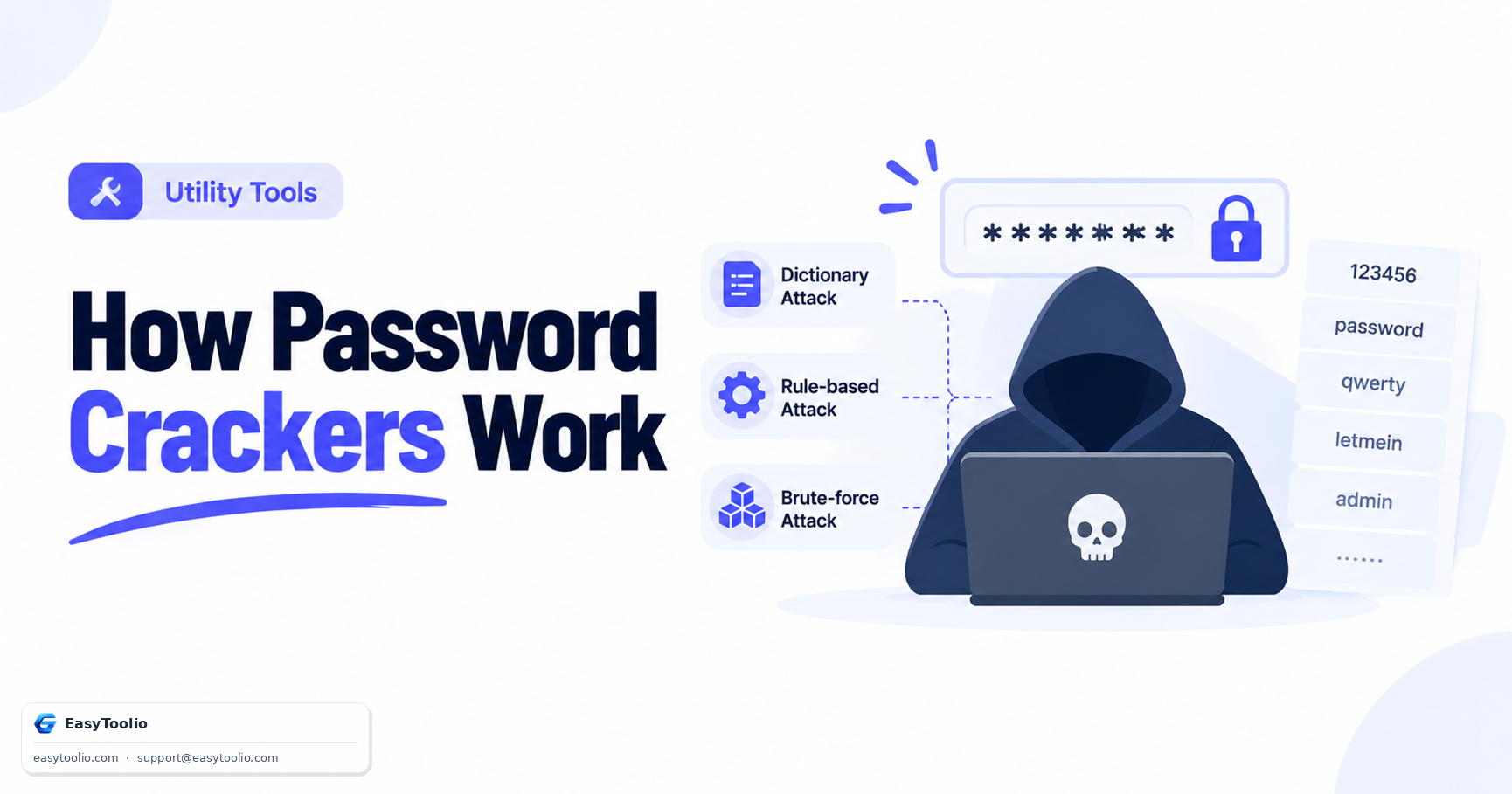
Understand password security: Learn how GPU hash cracking tools (Hashcat) execute dictionary, rule-based, and brute-force attacks against weak hashes.
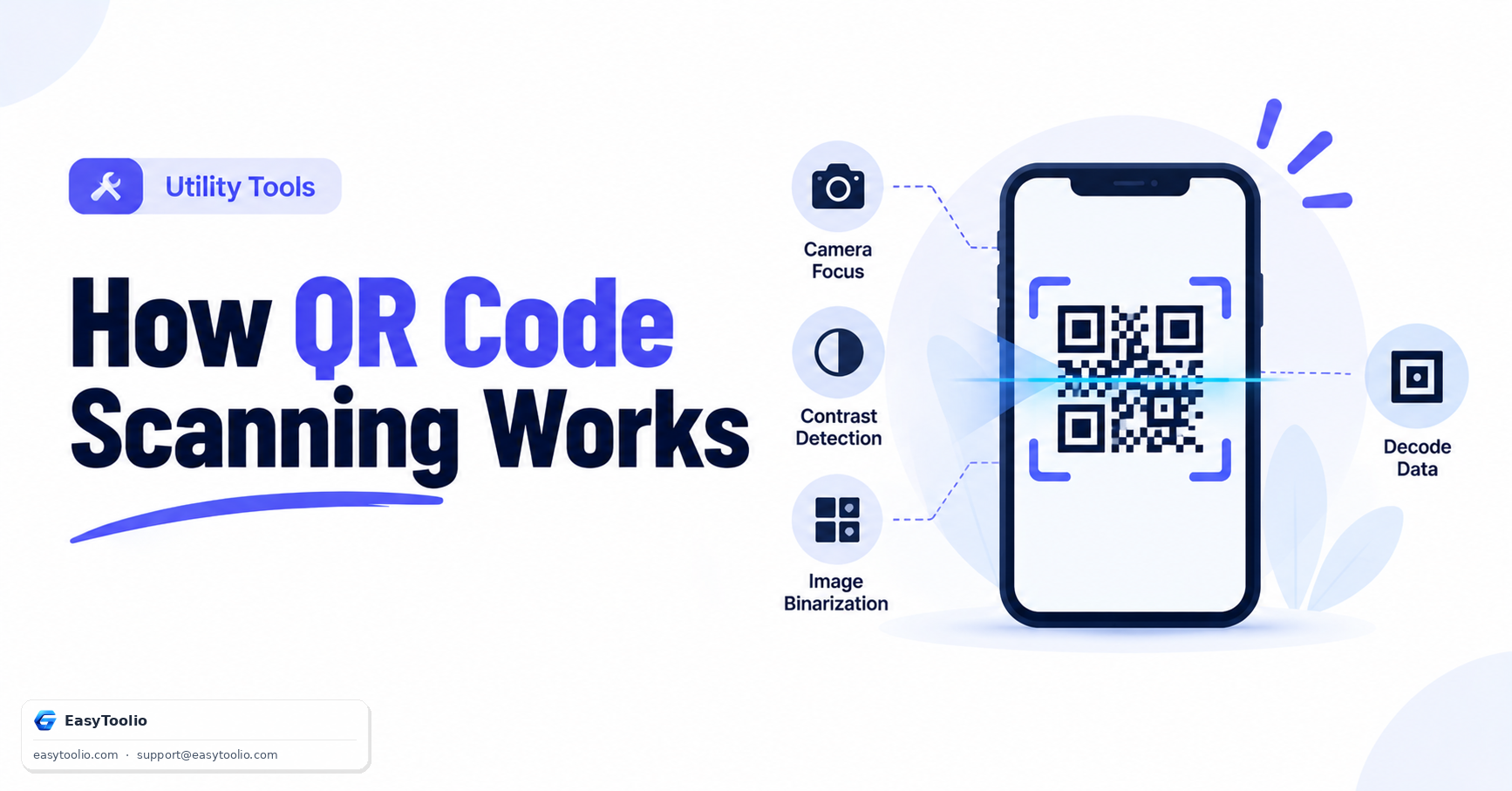
Deconstruct QR scanning algorithms: Learn how camera image binarization, thresholding, position finder patterns, and alignment grids decode QR matrices.
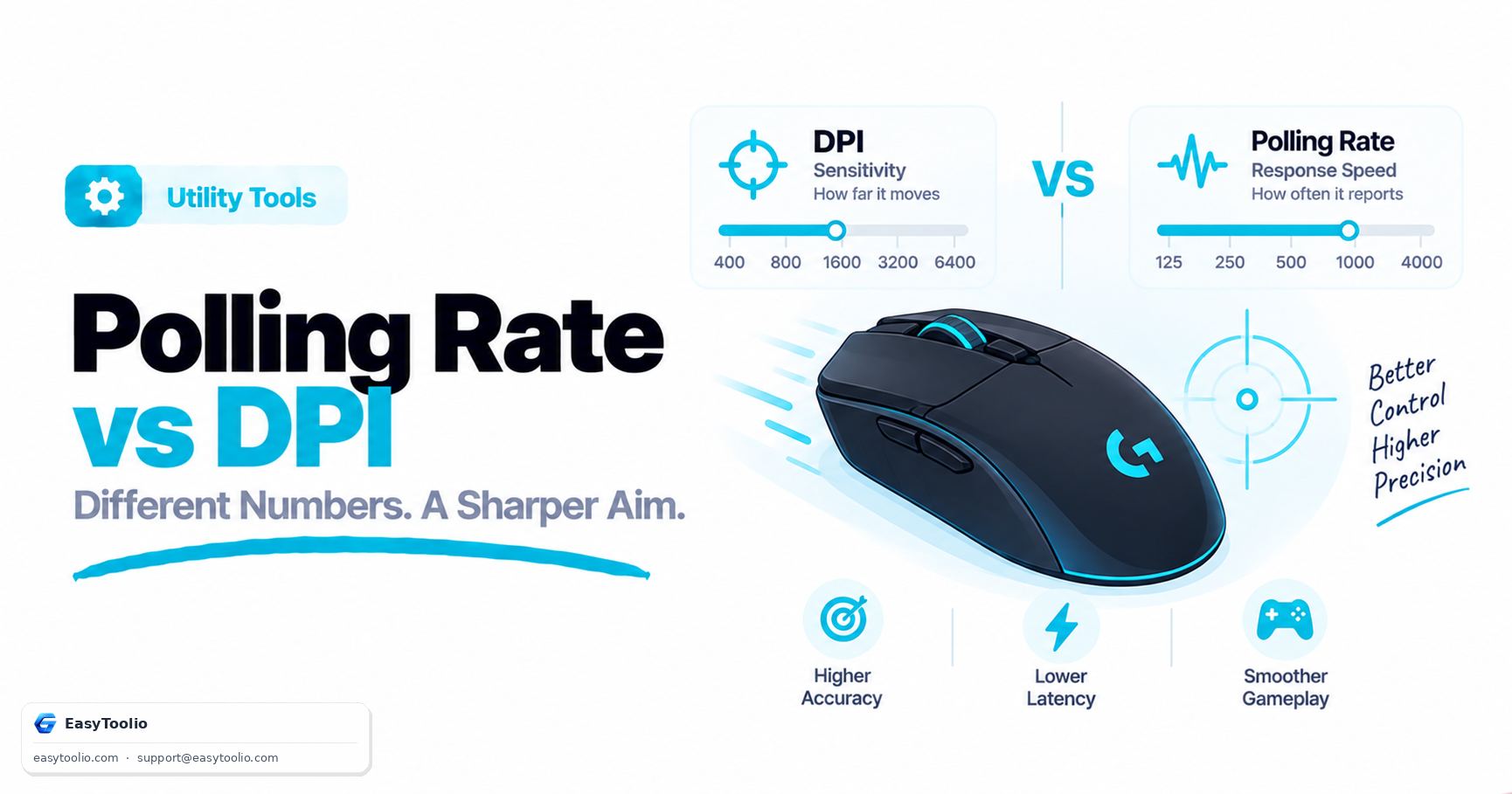
Deconstruct mouse sensor metrics: Compare DPI sensitivity and USB Polling Rate (1000Hz vs 4000Hz), and learn how sensor latency affects gaming aim.
Explore Actions Per Minute (APM) metrics in competitive gaming: Learn the difference between raw APM and Effective APM (EAPM) in StarCraft II and League of Legends.
Master Clicks Per Second (CPS): Compare Jitter Clicking, Butterfly Clicking, and Drag Clicking techniques while preventing repetitive strain injury (RSI).
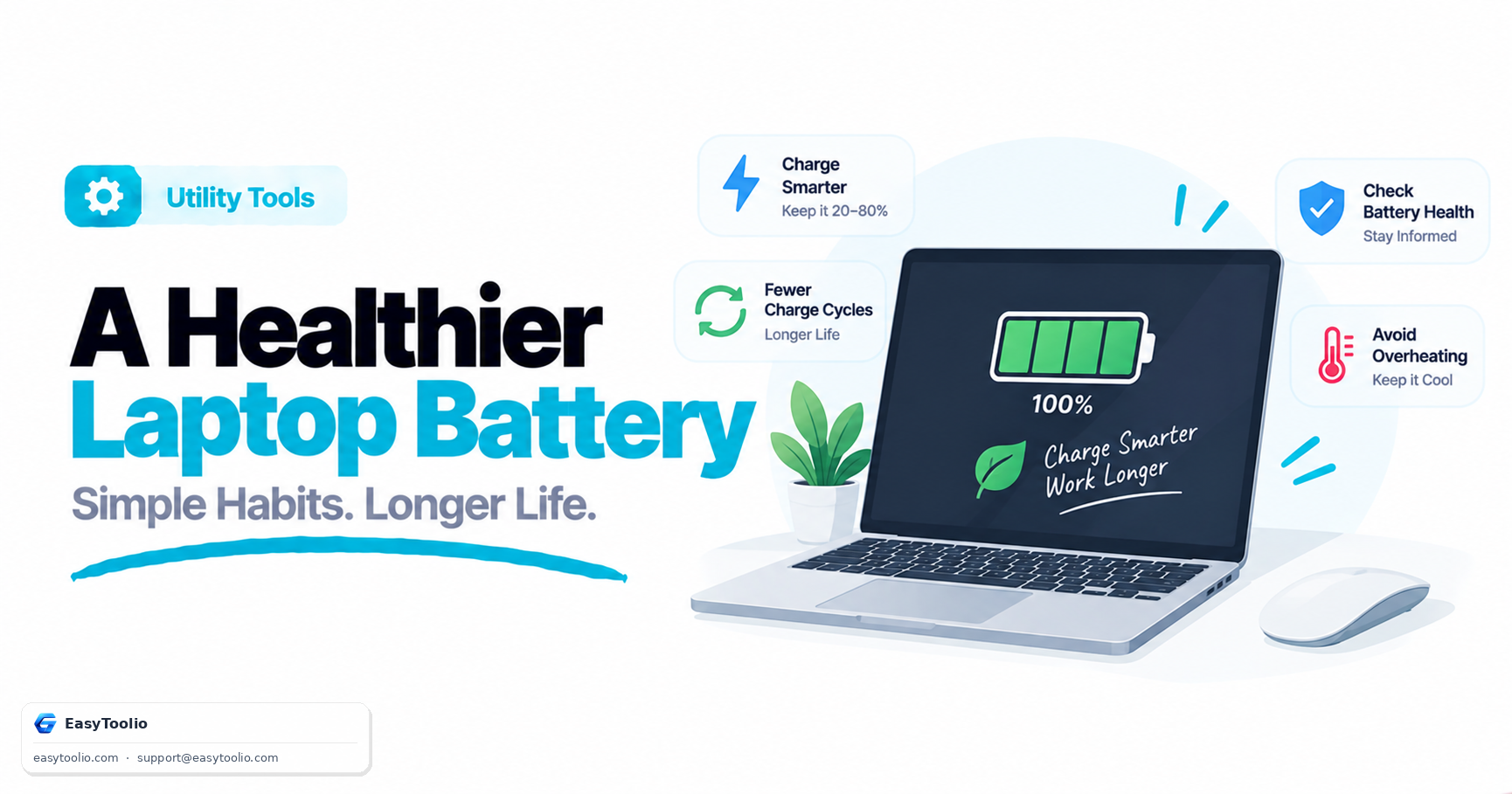
Protect laptop battery health: Learn how Lithium-Ion charge cycles work, the 80-20 charging rule science, and how to calculate full charge capacity degradation.
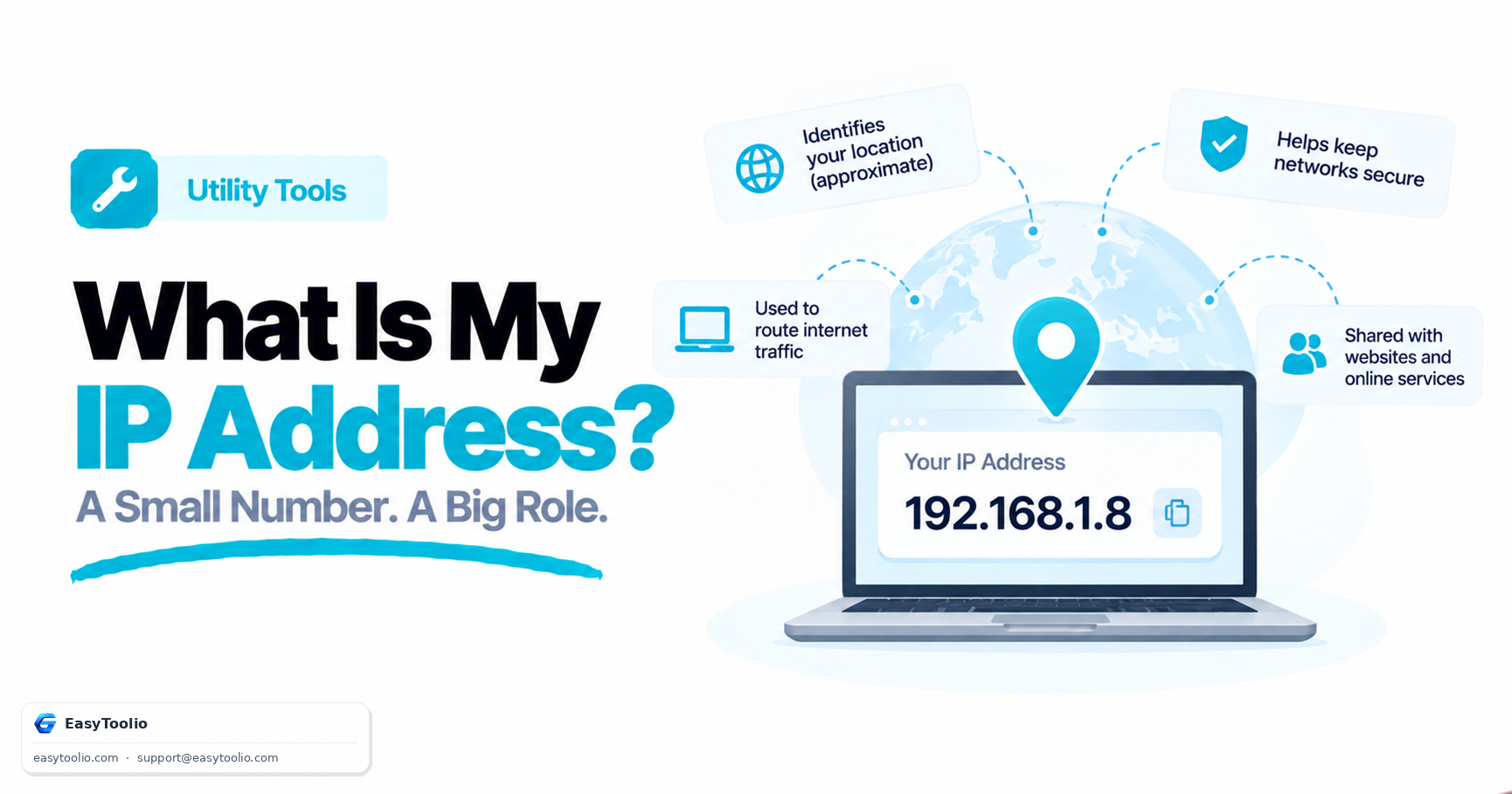
Every device on the internet has an IP address — a numeric label that routes traffic to and from you. Here is what your IP reveals, what it does not, and when you should actually care about it.
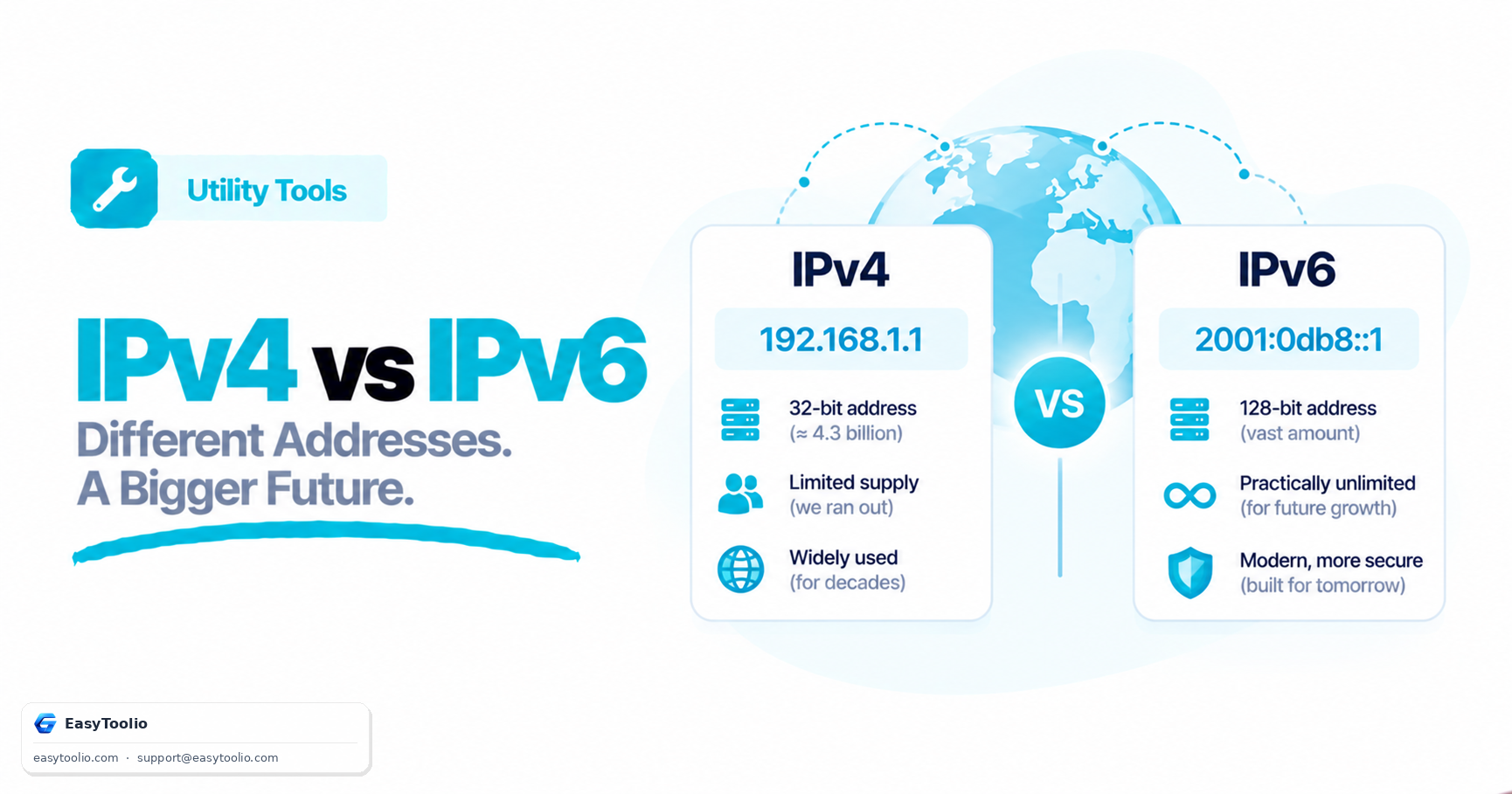
IPv4 gave the internet about 4.3 billion addresses — and we ran out. IPv6 fixes that with a number so large it is hard to picture. Here is how the two standards actually differ.
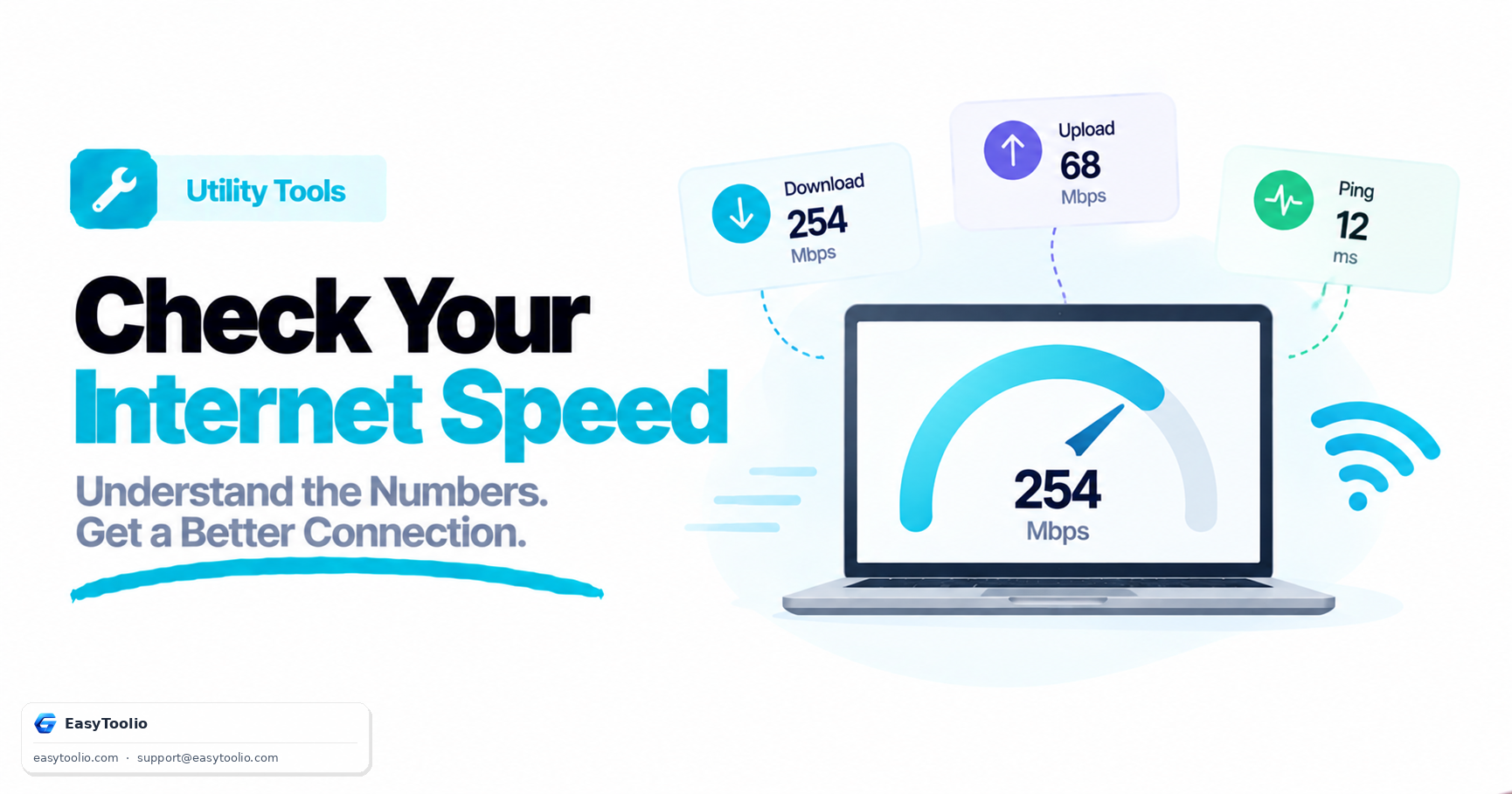
A speed test reports three numbers — download, upload, and ping — but most people only look at one. Here is how to read a speed test result and what to do if the numbers are disappointing.
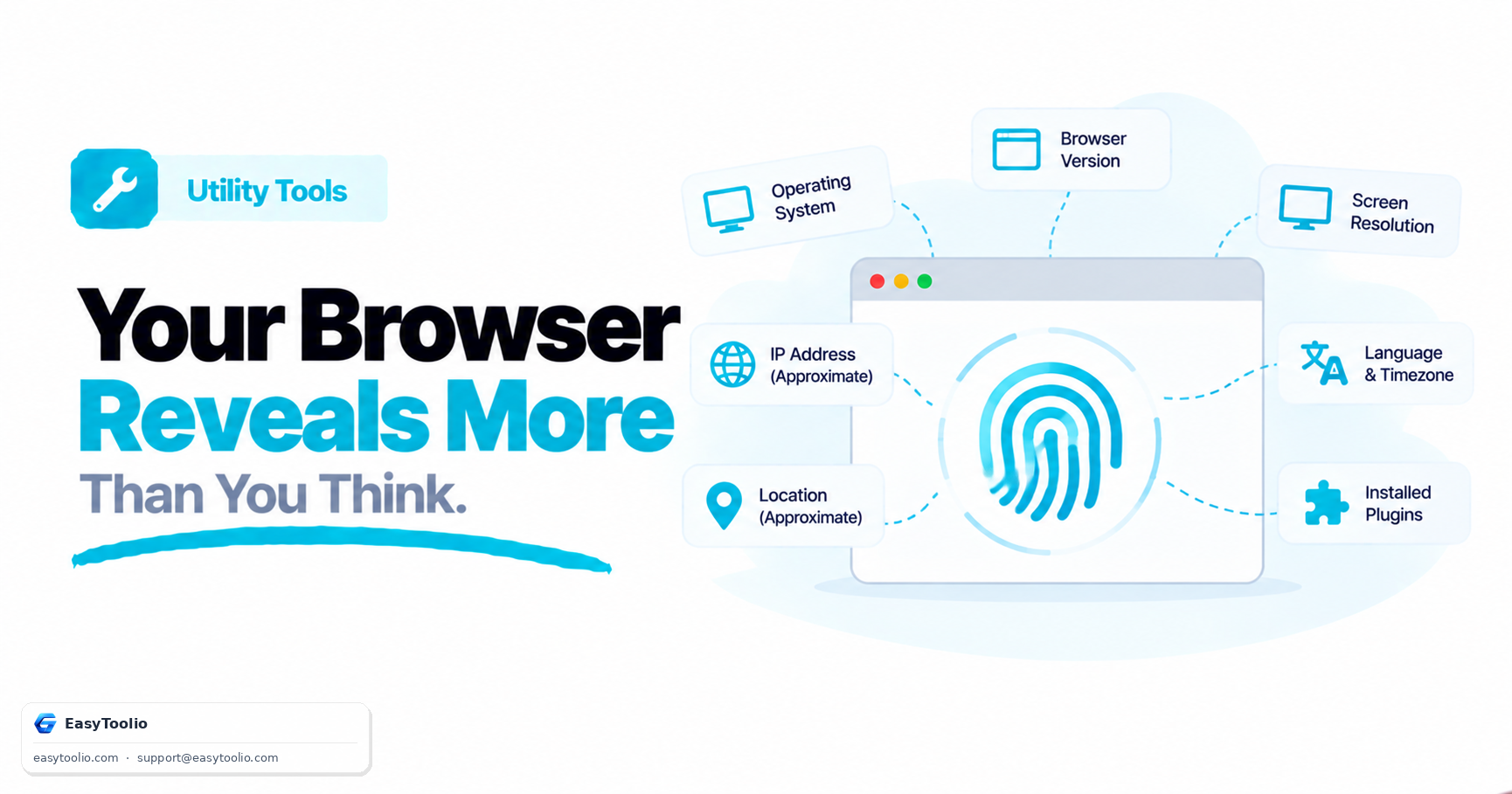
Your browser sends far more information to every website you visit than most people realize — from your operating system to your screen size. Here is what a User-Agent string exposes and why it matters for privacy.