
1
Remove employer costs
Employer EPF (12%), gratuity provision (about 4.81% of basic), and group insurance sit inside CTC but never hit your salary account. Subtract these to get gross cash salary.
Calculate monthly in-hand salary from CTC after estimated tax, EPF, professional tax and other deductions. Compare tax regimes and download your salary breakdown.
New: ₹75k std. deduction. Old: HRA, 80C, 80D & NPS.
New Regime (u/s 115BAC): ₹75,000 standard deduction for salaried employees. Tax slabs: ₹0–4L: Nil, ₹4–8L: 5%, ₹8–12L: 10%, ₹12–16L: 15%, ₹16–20L: 20%, ₹20–24L: 25%, Above ₹24L: 30%. Section 87A rebate gives zero tax up to ₹12 Lakh net taxable income (with marginal relief).
Old Regime: ₹50,000 standard deduction. Slabs: ₹0–2.5L: Nil, ₹2.5–5L: 5%, ₹5–10L: 20%, Above ₹10L: 30%. Allows Section 80C (up to ₹1.5L), 80D (health insurance), 80CCD(1B) NPS (up to ₹50k), and HRA exemptions.
Cess: 4% Health & Education Cess applies to final tax under both regimes.
Auto-estimate standard corporate salary ratios or enter exact custom figures.
Non-cash benefits deducted from total CTC to get gross cash salary
Deductions subtracted directly from monthly salary
Understanding why Annual CTC ÷ 12 does not equal your monthly bank credit:
Browser-local calculation: Your salary inputs and deductions are calculated locally in your web browser. Zero personal financial data is transmitted or stored on any server.
Estimated income tax & take-home: Actual monthly bank credit may vary based on your employer's exact payroll structure, flexible benefit plans, perquisites, and state professional tax rules.
Side-by-side evaluation of taxable income, estimated tax liability, and monthly take-home salary based on your entered parameters.
| Parameter | New Tax Regime (Default) | Old Tax Regime | Regime Difference |
|---|---|---|---|
| Gross Cash Salary | ₹0 | ₹0 | Same |
| Standard Deduction | ₹75,000 | ₹50,000 | +₹25,000 (New) |
| Exemptions & Deductions (HRA/80C/80D/NPS/PT) | ₹0 (Disallowed) | ₹0 | ₹0 |
| Net Taxable Income | ₹0 | ₹0 | ₹0 |
| Estimated Annual Income Tax (TDS) | ₹0 | ₹0 | ₹0 |
| Monthly Income Tax (TDS) | ₹0 / mo | ₹0 / mo | ₹0 / mo |
| Estimated Monthly In-Hand Salary | ₹0 / mo | ₹0 / mo | ₹0 / mo |
| Estimated Annual Take-Home Pay | ₹0 / yr | ₹0 / yr | ₹0 / yr |
* Comparison is based strictly on your entered deductions and investments. Figures are estimates and do not constitute professional tax advice.
Cost to Company is what your employer spends to retain you, not the amount credited to your bank. Three layers sit between CTC and take-home: non-cash employer costs, monthly payroll deductions, and income-tax TDS. Read the sequence below, then use the calculator above to see the same steps with your numbers.
Employer EPF (12%), gratuity provision (about 4.81% of basic), and group insurance sit inside CTC but never hit your salary account. Subtract these to get gross cash salary.
Employee EPF is 12% of basic, or capped at ₹1,800/month if the ₹15,000 wage ceiling applies. State professional tax (often ₹0–₹200/month) is also withheld before tax.
After the standard deduction (₹75,000 new regime or ₹50,000 old), your employer estimates annual tax under AY 2026–27 slabs and withholds 1/12 each month.
Monthly take-home is computed in this order. Each line uses the result of the line above.
The New Regime is the default under Section 115BAC. The Old Regime is useful only when HRA, 80C, 80D, and NPS claims are large enough to beat the extra ₹25,000 standard deduction and lower new-regime slabs. Use the comparison table above with your actual investments — the better regime changes with CTC and deductions.
4% Health & Education Cess applies to tax under both regimes.
Many CTC offers include 10–25% as performance bonus. That amount is part of annual CTC and tax, but it is usually paid once or twice a year — not in the monthly credit. This tool splits fixed monthly take-home from annual variable pay so you can budget rent and EMIs on the amount that actually arrives each month.
Cost to Company (CTC) is the total annual expenditure an employer incurs on an employee. Gross Salary is CTC minus annual employer contributions like Employer PF (12%) and Gratuity (4.81%). Net Take-Home Salary is Gross Salary minus Employee PF deductions, Professional Tax (PT), and Income Tax TDS.
Under Budget 2024/2025, the New Tax Regime offers lower slab rates and a ₹75,000 standard deduction with zero tax liability up to ₹7.75 Lakh CTC (via Section 87A rebate). The Old Tax Regime allows claiming HRA exemptions, Section 80C (up to ₹1.5L), Section 80D (health insurance), and Section 80CCD(1B) NPS.
EPF is calculated as 12% of Basic + DA. If an employer permits capping EPF at the statutory minimum basic wage of ₹15,000/month, the deduction is ₹1,800/month (₹21,600/year), significantly boosting your monthly take-home pay.
Gratuity is funded by the employer (at 4.81% of Basic Salary) and is payable upon 5 years of continuous service. Professional Tax (PT) is a state-level deduction capped at ₹2,500/year (approx. ₹200/month). Structuring allowances like HRA, LTA, and meal cards effectively helps reduce taxable gross income and increases net take-home earnings.
Quick answers about how this tool works.
Plain-language explainers that sit next to this tool.
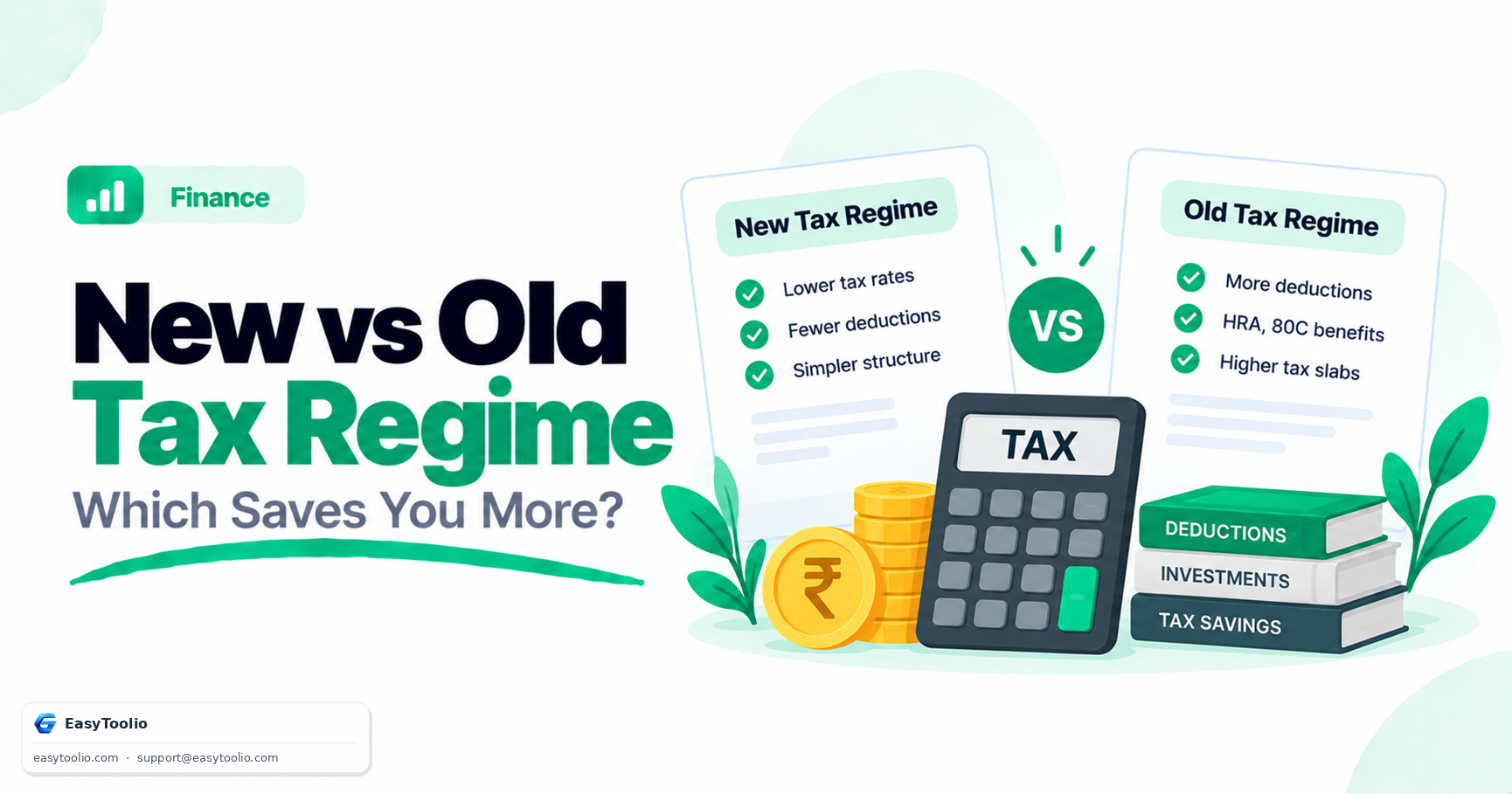
The new regime has lower slab rates but almost no deductions. The old regime taxes you more per slab but rewards HRA, 80C, and home loan interest. Here is how to pick correctly.
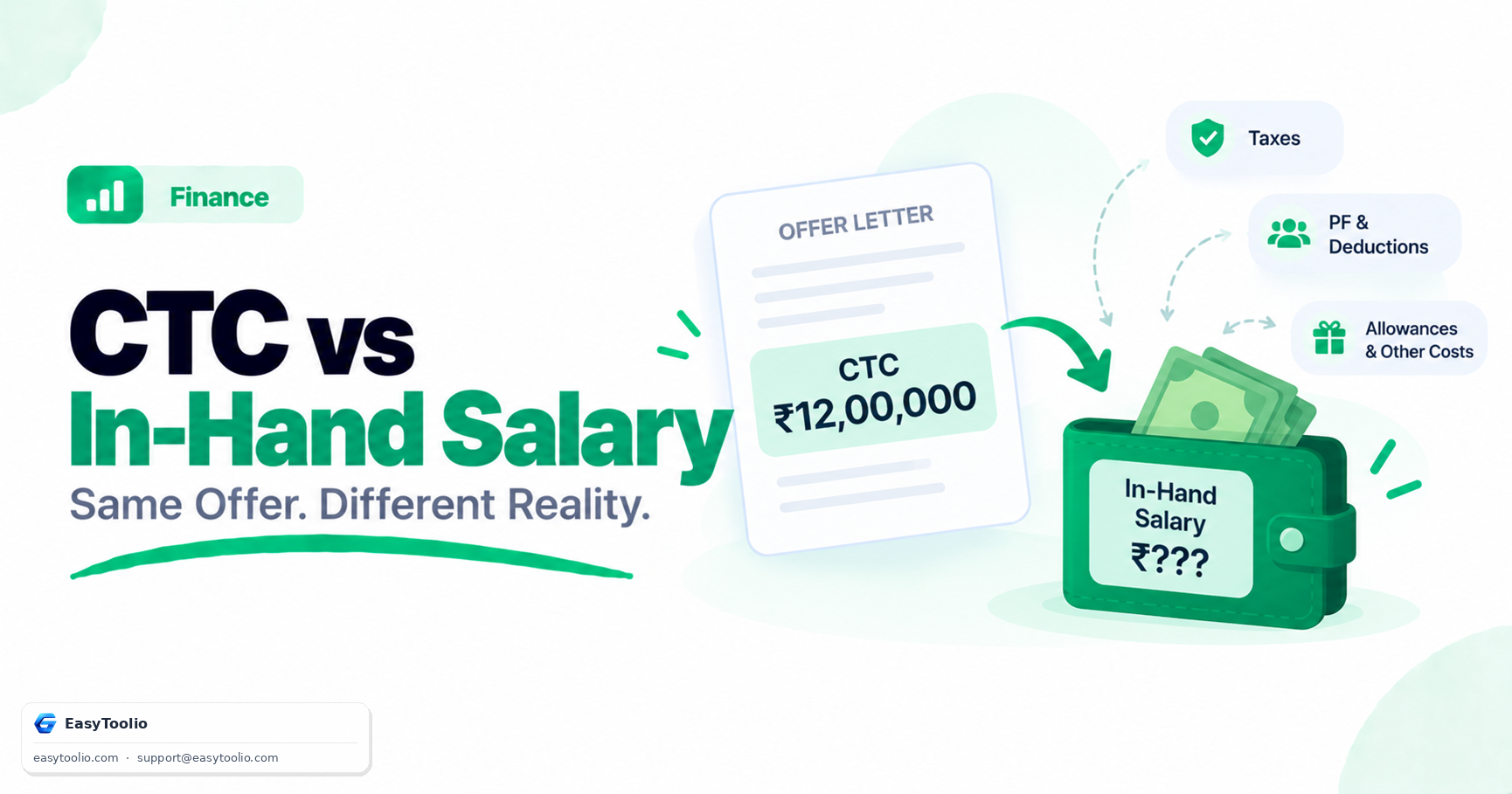
A ₹12 LPA offer rarely means ₹1 lakh a month in your account. Here is exactly where the difference between CTC and in-hand salary goes, with a full breakdown table.
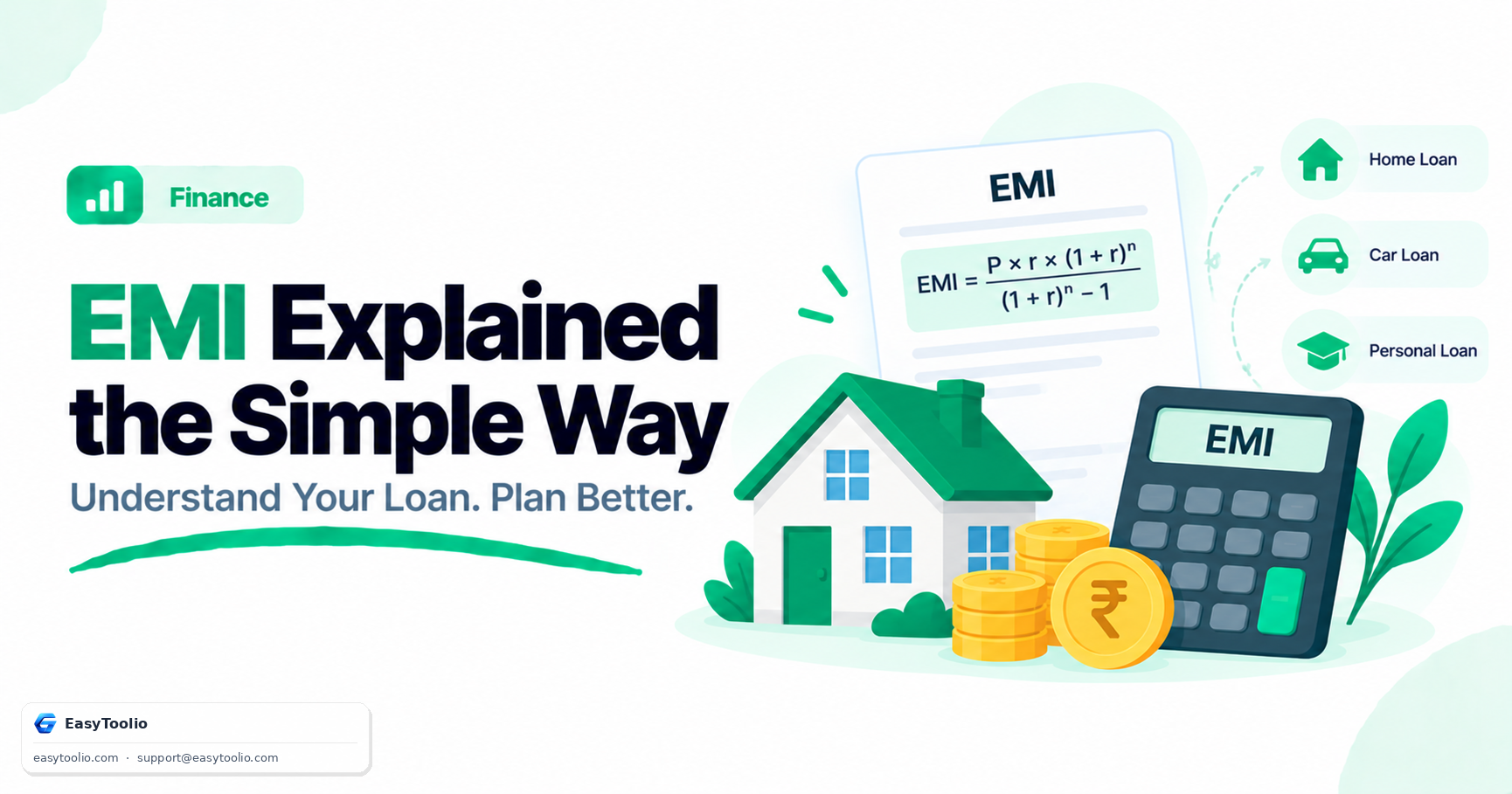
Most Indians accept an EMI figure from their bank without questioning it. This guide explains exactly how Indian banks calculate EMI — the reducing balance method, how RBI repo rate changes flow through to your loan, and what you can do to pay off your home loan years early.

Understand the math behind monthly mortgage payments. Learn how to calculate Principal and Interest (P&I) manually, evaluate the costs of PMI, estimate escrow expenses, and discover strategies to save over $200,000 in lifetime interest.
Search 244+ free tools by name, or pick a category below. Every one runs instantly in your browser — no signup, nothing to install.
Tap a star to rate us instantly.